Identity

I like addressing projects that combine social or societal benefits with technology, where I aim to create meaning through interactive functionality. I get excited by technological innovations and hopeful towards their positive implementation in design. The way I think of my projects is often rather analytical, where I take inspiration from the RTD process to use structural reflection in-, on-, and for action (Hummels & Frens, 2011). Although I still have a tendency to be slightly inflexible in my process organization, my design process has shifted from one similar to the stage-gate process to a much less linear explorative process (see C&A) (Crawford & Di Benedetto, 2021). I have used multiple media for this exploration, ranging from biodegradable plastics to sketches and code. The exploration itself is fairly intuition-driven, where I like to feed this intuition with careful literature review, inspiration sources, and technical understanding of the to-be designed product. This way of working has allowed me to restrict my previous more solutionist mindset. I plan to further develop in including the user more structurally in my processes, using simpler or quicker means to test interaction, and including a stronger theoretical background (such as the theory of participatory sensemaking I related to my FBP) throughout my process. In addition, while I have extensive theoretical knowledge on technology entrepreneurship, I need more experience applying this knowledge.

In line with my vision, I have been part of a range of squads to gather different perspectives on the design process. As a result, I have developed into a fairly well-rounded designer, though I haven't yet had the opportunity to build deep theoretical expertise in a specific discipline or application area. My strength lies in taking creative (C&A) approaches and involving technological elements (T&R) to act on the opportunities that follow from my analysis of the design topic (D&RP). It seems to me that this offers great benefits in addressing social issues that aim for transformation as it allows me to take a creative stance while realizing interactive design concepts. This strengthens the created impact, especially when combined with my analytical way of working. I can later improve on this by doing research-through-design using these interactive prototypes. The projects I work on are often centered around learning, from educational tools (Internship) to interactive sensemaking experiences (FBP and Project 2). This fits my vision, but I would like to take more systemic perspectives in the future, for which my FBP is a great starting point.

In collaboration, I am enthusiastic and motivated. I have basic experience in working with clients and adapt my approach to specific situations. I try to show my enthusiasm to get the client involved, and I do the same in team environments. In my (team)work I set ambitious goals and high expectations. This generally works well but I do sometimes overestimate abilities in my enthusiasm, and can unintentionally overshadow quieter voices. Also here I try to employ collaborative reflections on the team dynamics to improve on any issues, where I am known to listen acceptingly and critically.
Vision

Society
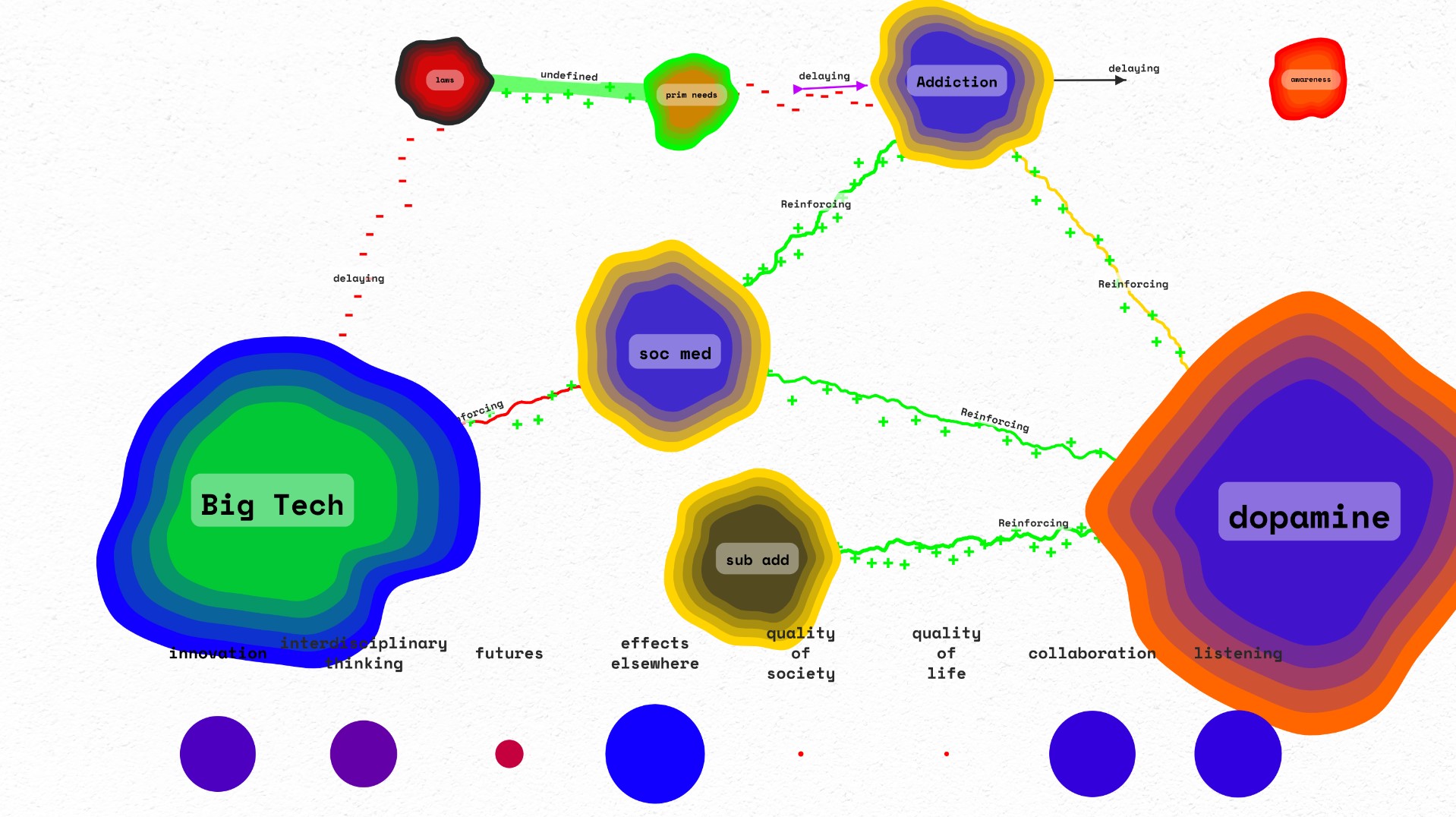
I could give a long list of societal problems that seem unsolvable: the education system being misaligned with individual’s learning processes, systemic inequality, and companies designing for addiction are examples I personally care about. I believe in finding leverage points in the complex systems that govern these problems and using this to let carefully designed small or local action grow into larger transformation, in line with my FBP and Transforming Practices (TP) experiences (Meadows, 2008; Trotto et al., 2021). I have learned to accept that it is inherent to these systems that they cannot be changed directly or as a whole, so using this approach is a way to impact the things I care about, together with others.

Impact
To let these small actions have the greatest effect, I believe we need careful design driven by research, experimentation, and preferably multidisciplinary teams or collaboration that is built for scalability. Commercialization is the most obvious way to scale, but other options can be activism, knowledge sharing, and open-sourcing. Currently, I often open source my code, which mostly captures the technical value creation. It seems to me that by designing products that create commercial value my reach can be expanded in the future.

AI
Since I have worked with AI extensively, my vision deserves a stance on this rapid-growing technology. Firstly, I see great opportunities in healthcare with early disease diagnosis and personalized health optimization. In education there are great opportunities for personalization without losing the advantages of peer-to-peer social interaction. Its risks, such as unpredictable future behaviors, negative effects in the job market, over-reliance, or excessive energy consumption should of course not be disregarded. I see it as a tool that should be hosted locally when possible. Design methods can be used to approach the risks that come with this technology by offering ways to discuss it and use it responsibly, both of which I have contributed to in my work.

Inspiration
Although Victor Papanek’s (1971/2019) work is fundamental to the industrial economy, I look up to his work and believe his perspective of tackling global problems by offering local solutions with a deep understanding of the user and his way of using design for social innovation would fit the transformation economy just as well. I also want to mention Rutger Bregman (2024) and his perspectives on combining idealism with ambition. He promotes an approach that is not small or local and instead advises to go all-out in achieving idealistic goals. While this is not the way of working I have adopted he inspires me to try harder to make a difference with my work and to not give in to the senses of disillusionment towards the power of design that sometimes creep up (Lorusso, 2024).

Past

Before joining Industrial Design I wanted two things: to learn how to make interesting machines or devices, and to change systems I deemed to be flawed. In my FBP I was able to work with both of these by designing an interactive device used to discuss complex systems that can help in taking small local steps to change larger systems. This section describes the key work that contributed to my current competencies.

First-year Design Experiences

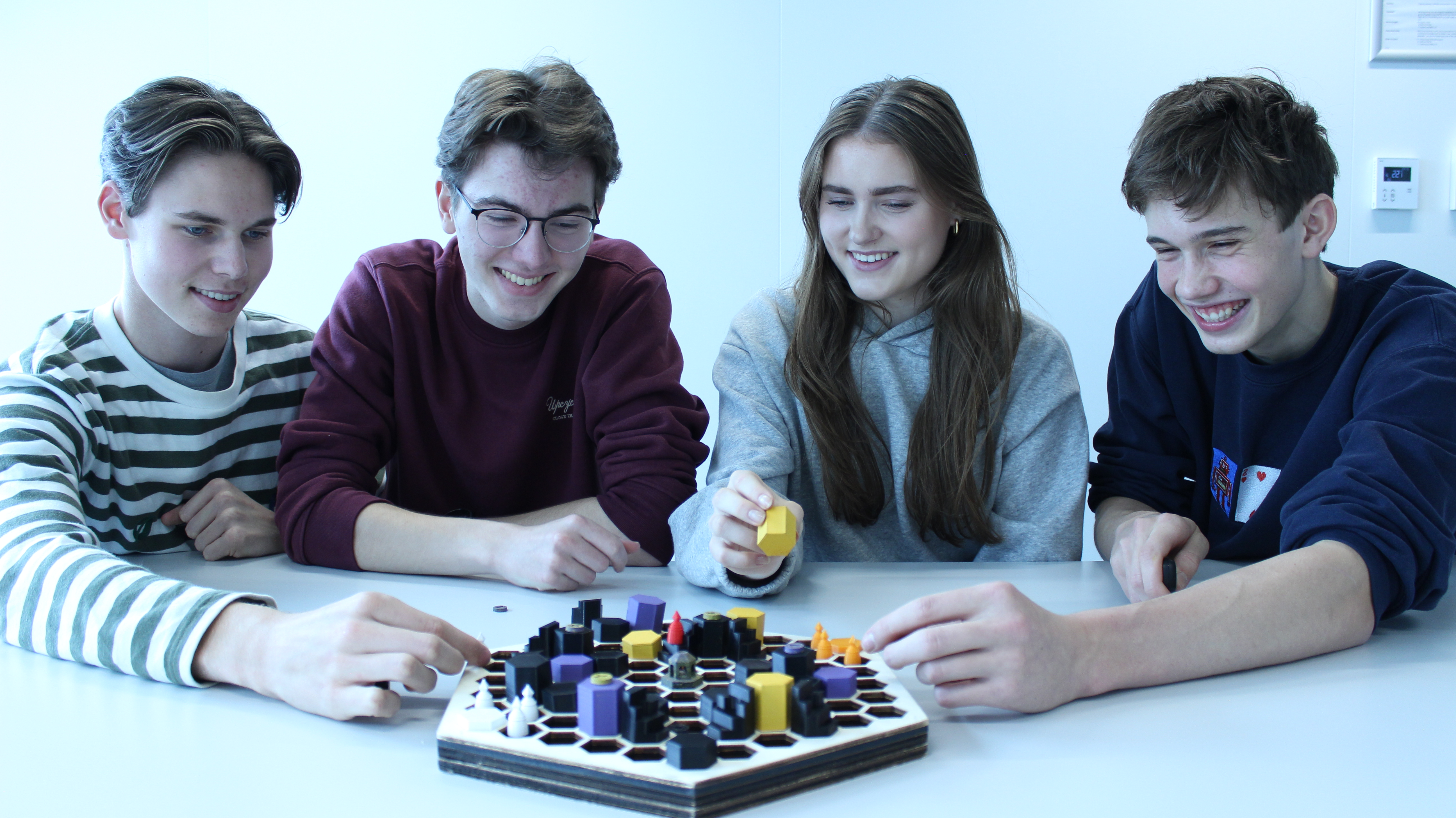
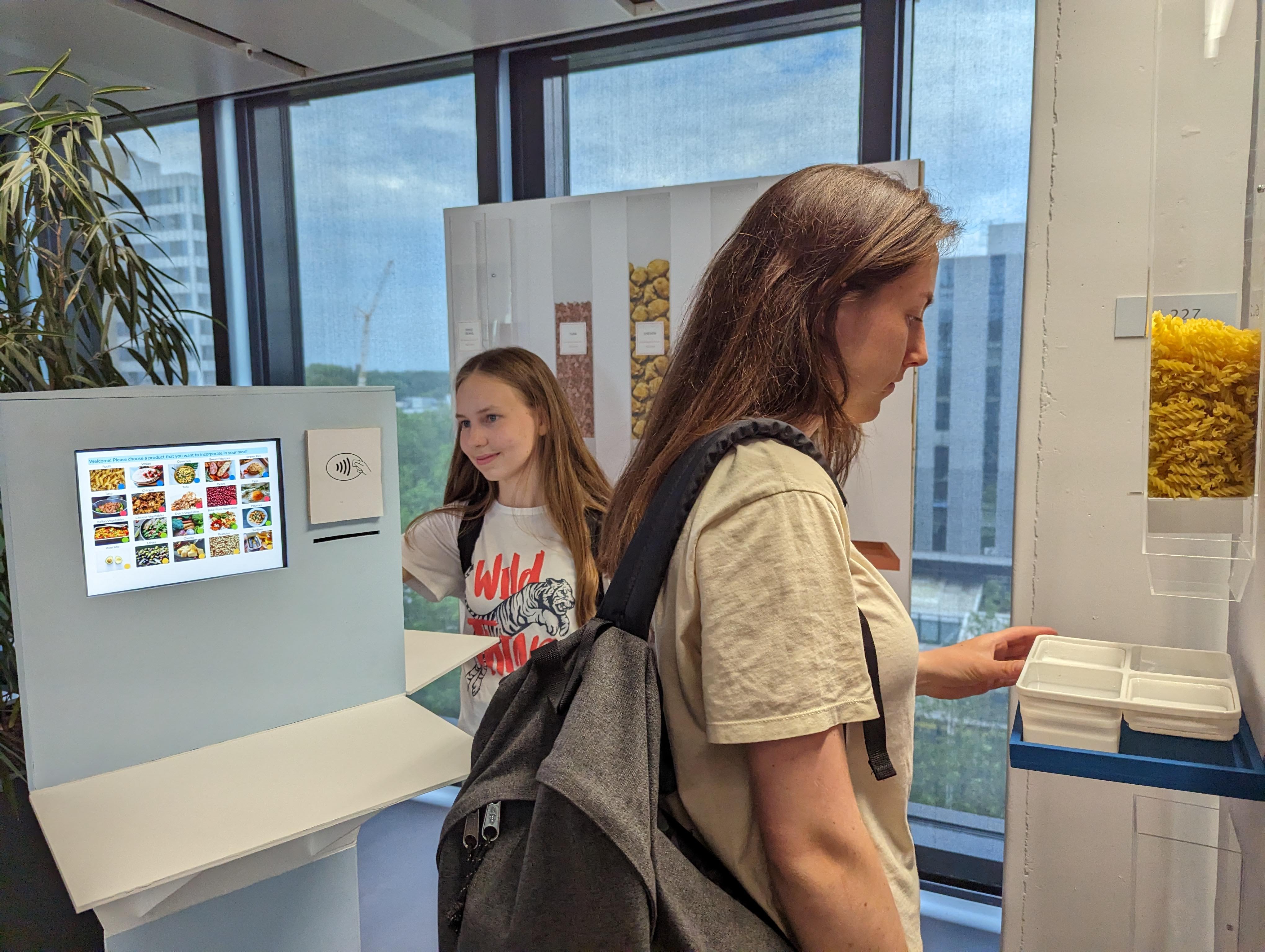
In my first year I was introduced to the design process: iterating, prototyping, design teamwork, critique sessions, presenting the process, and ideation techniques (C&A, T&R). I designed a leadership-training board game and a business case for a healthy-eating supermarket aisle.

Project 2 - Artifice

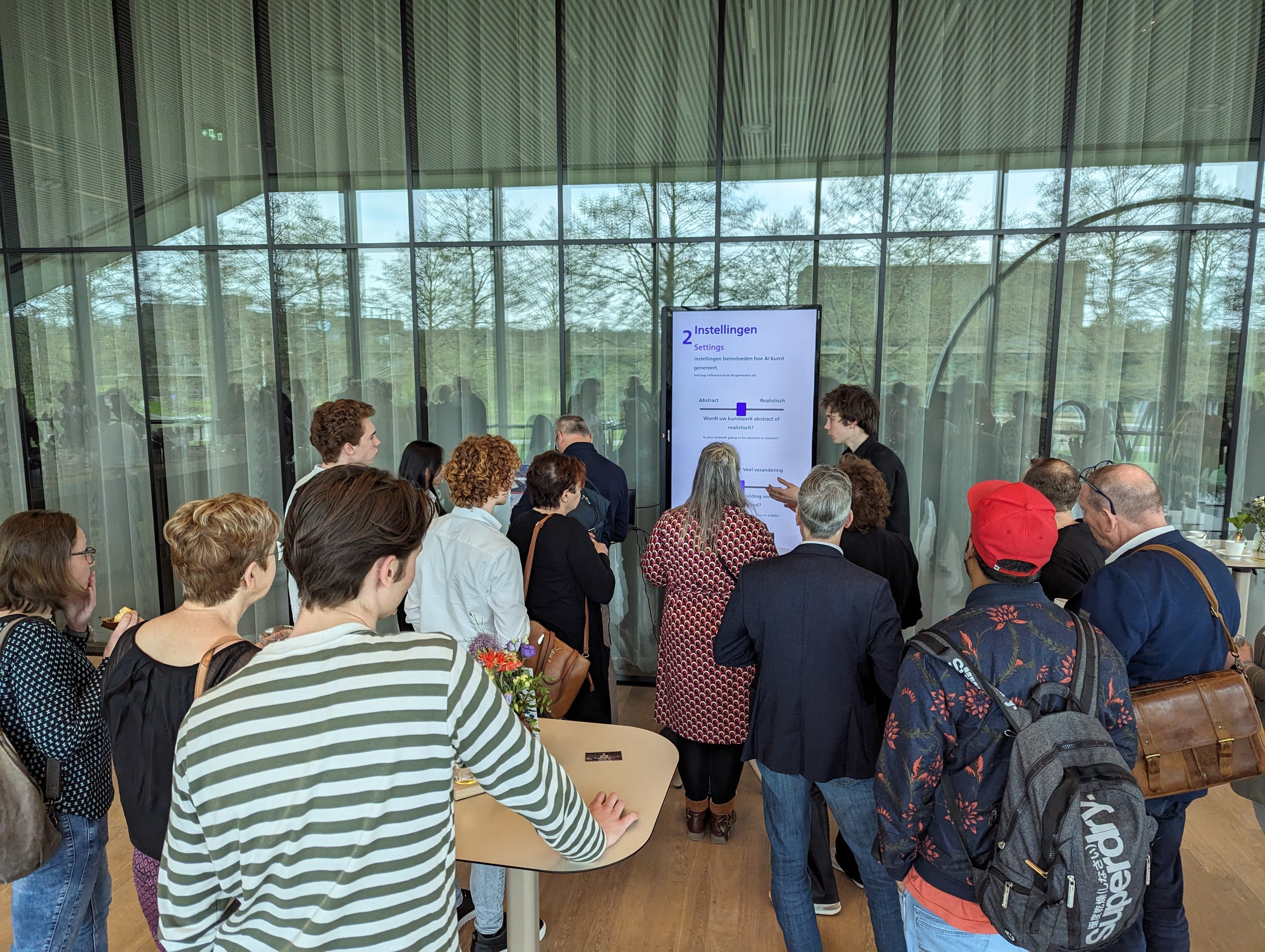
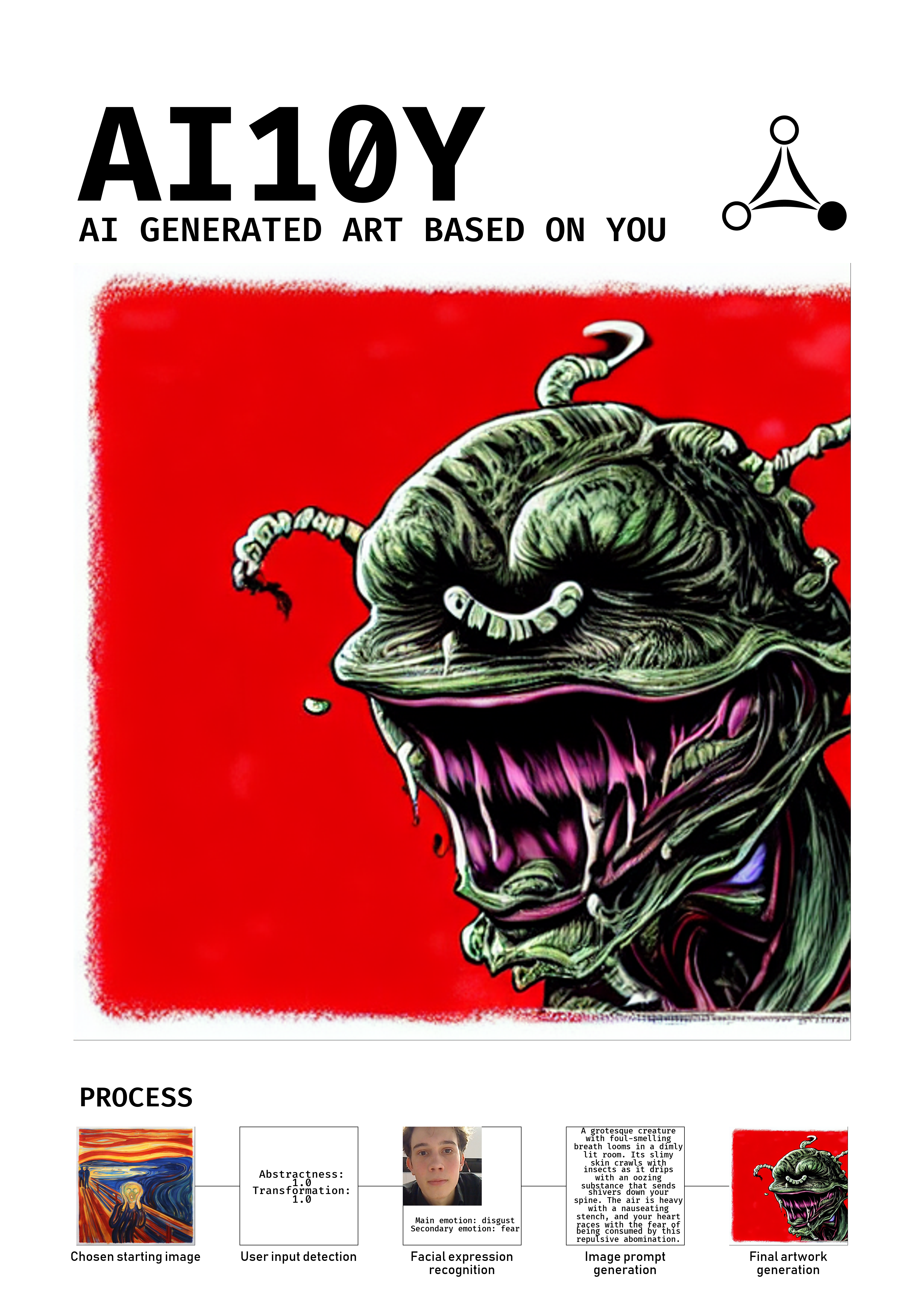
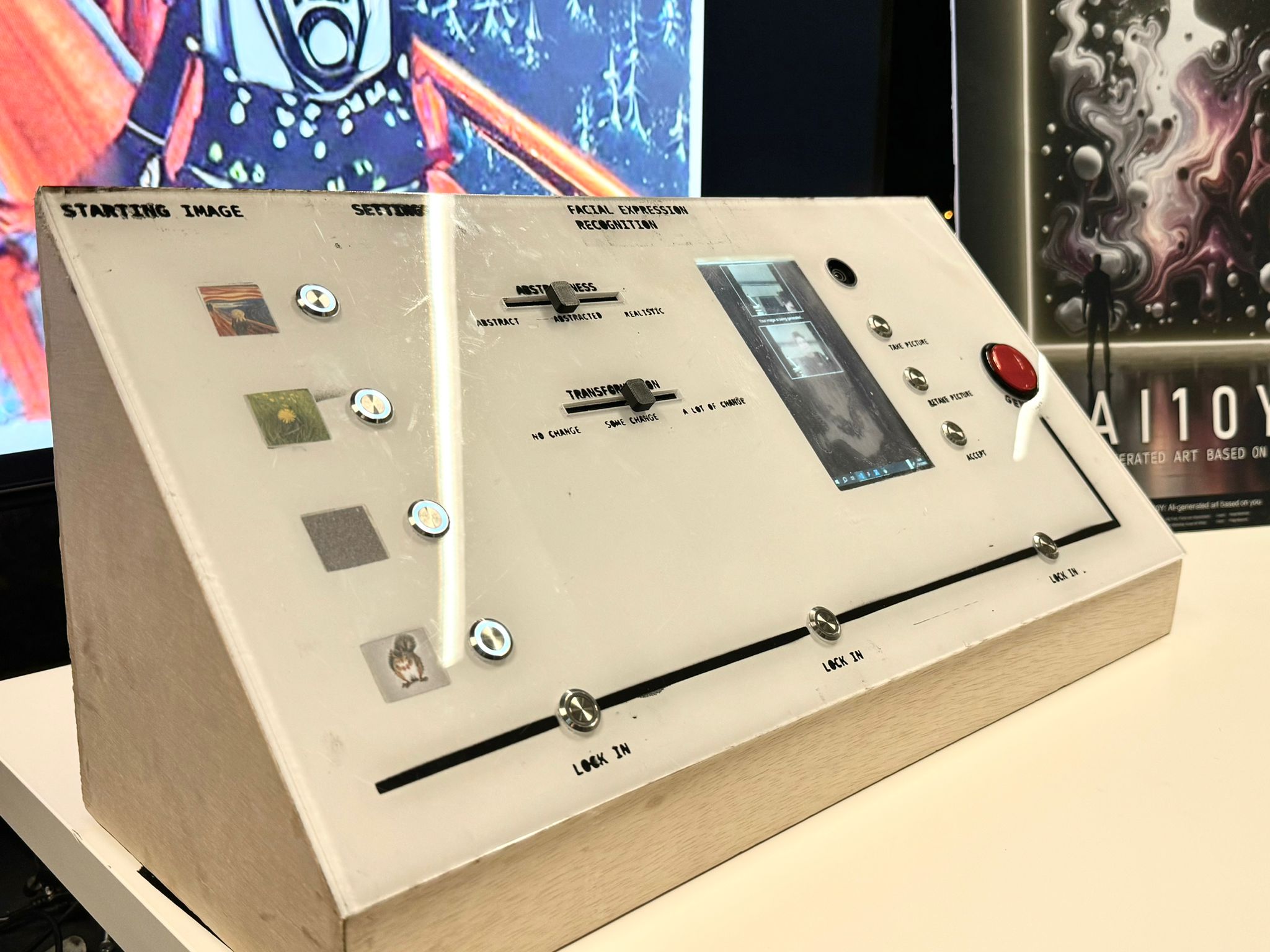
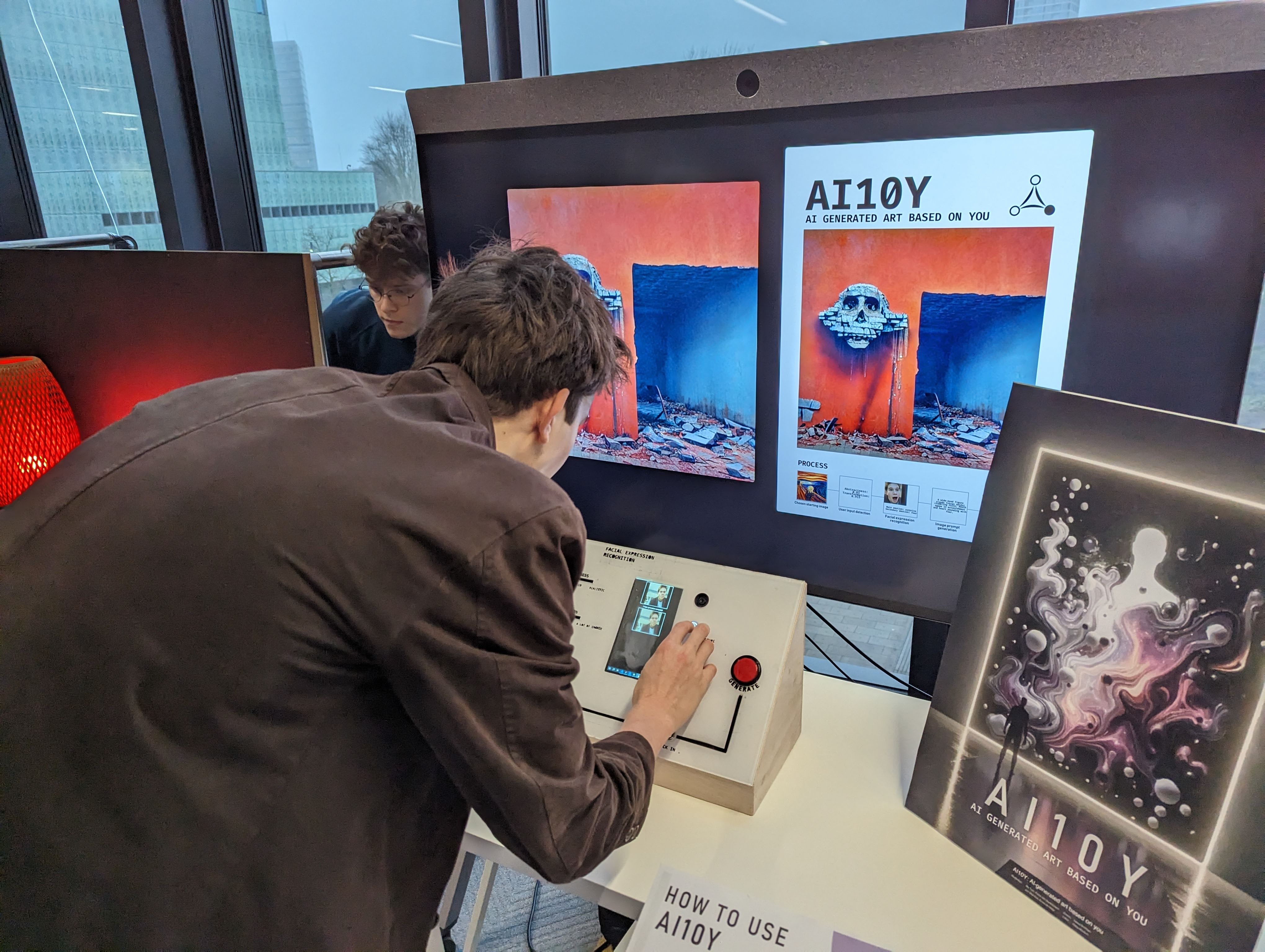
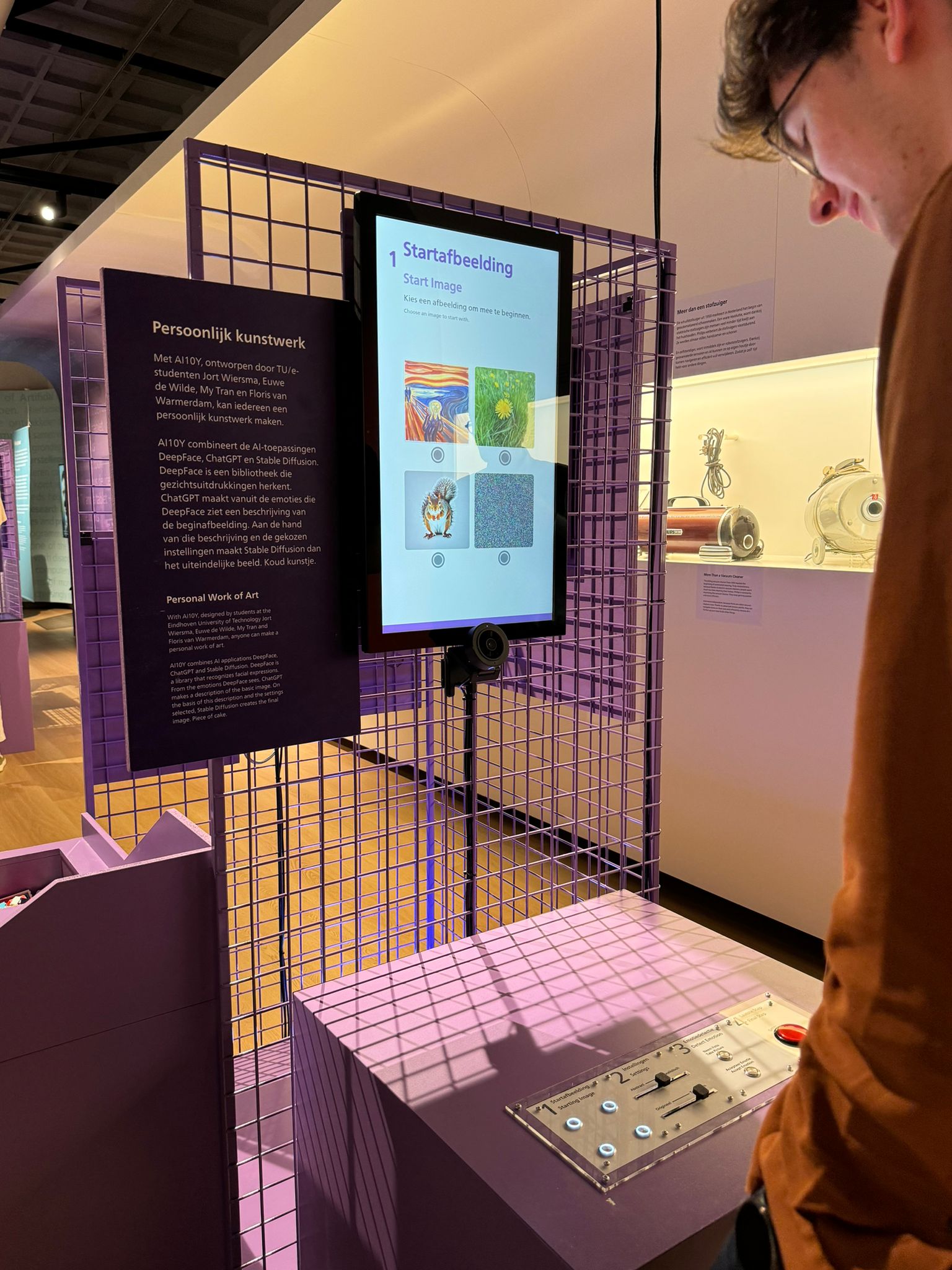
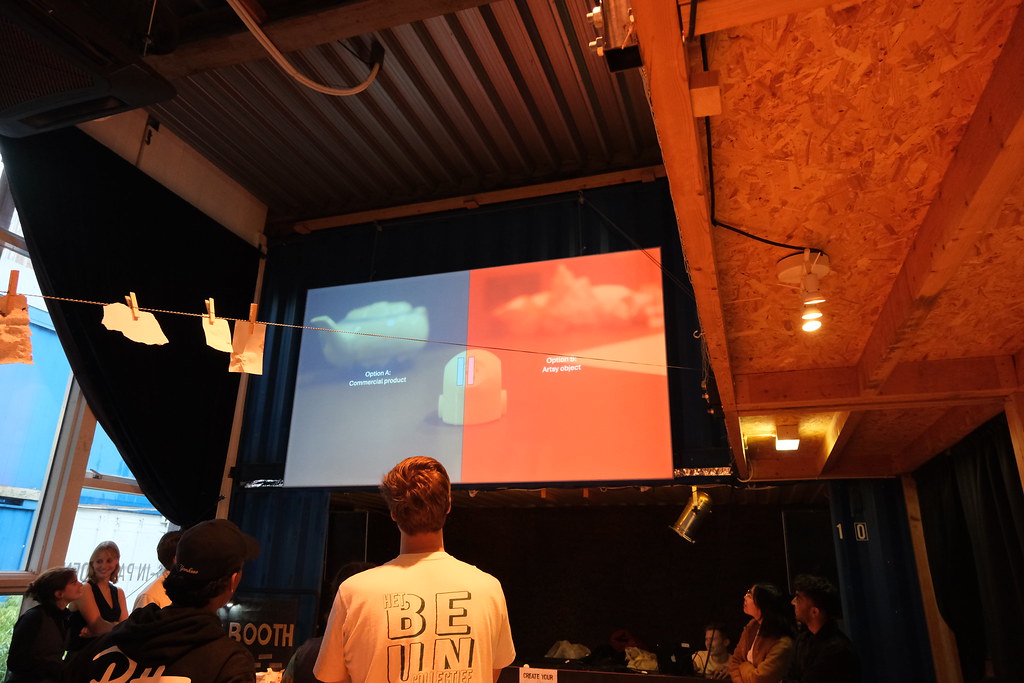
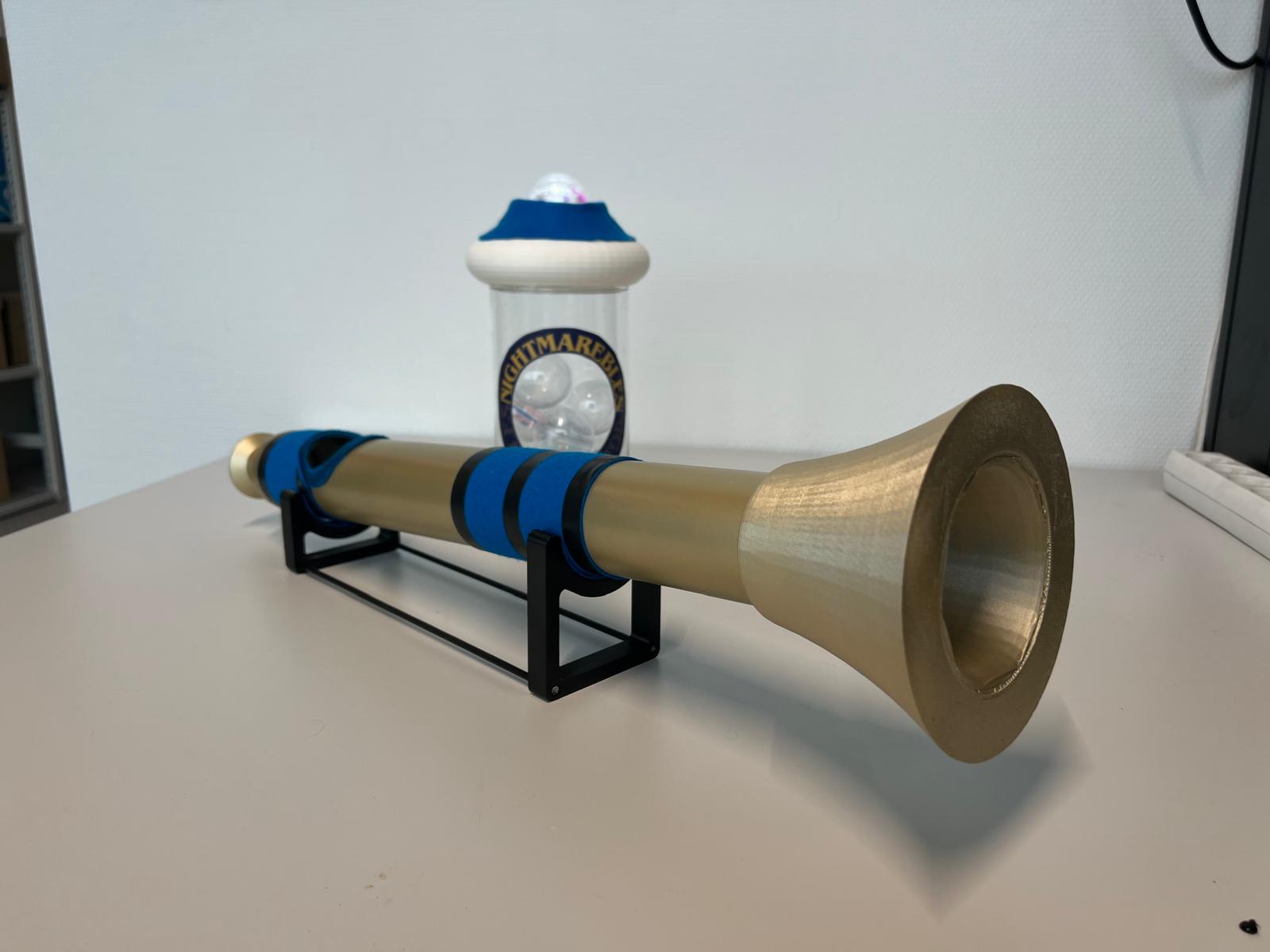
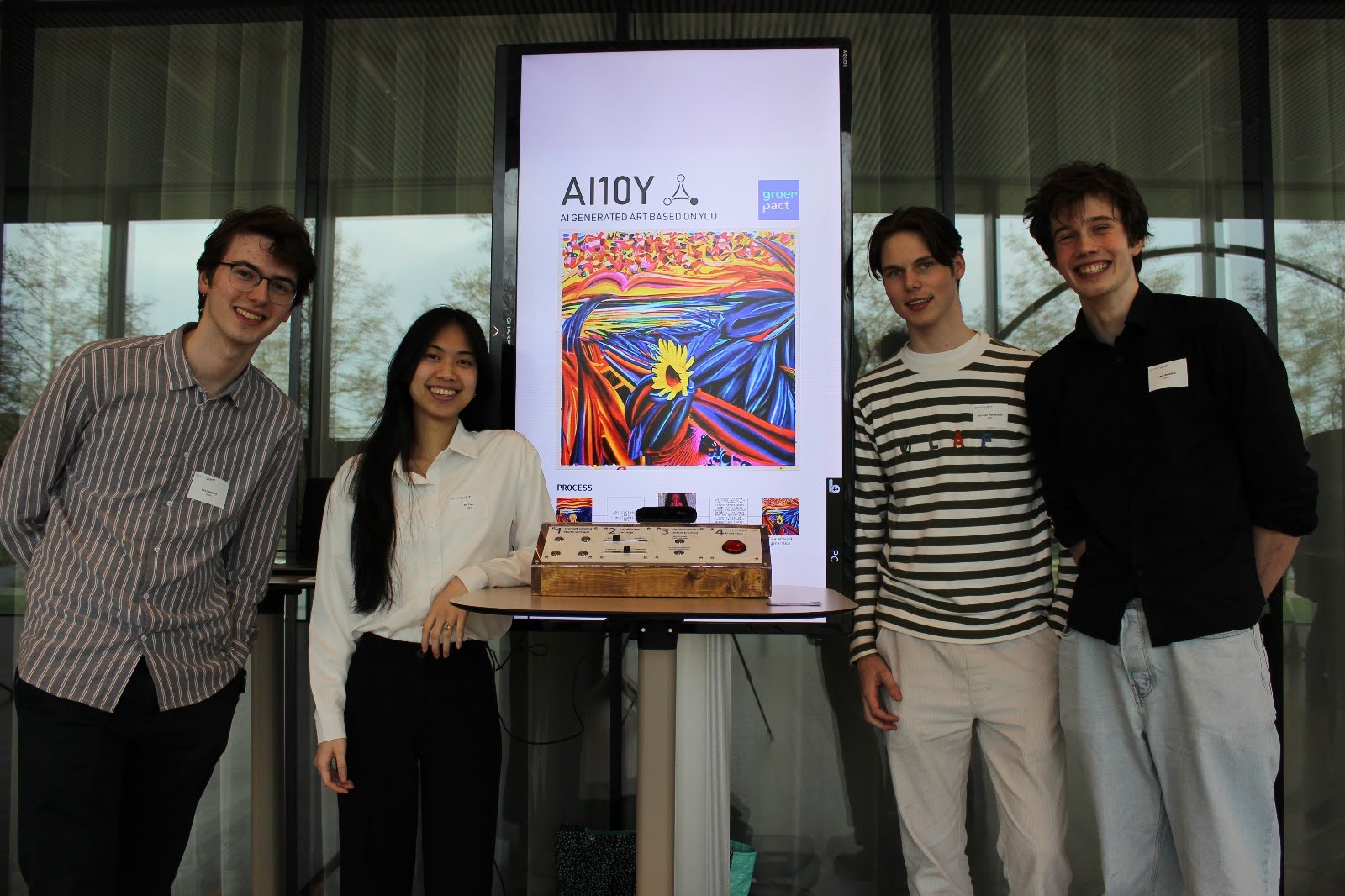
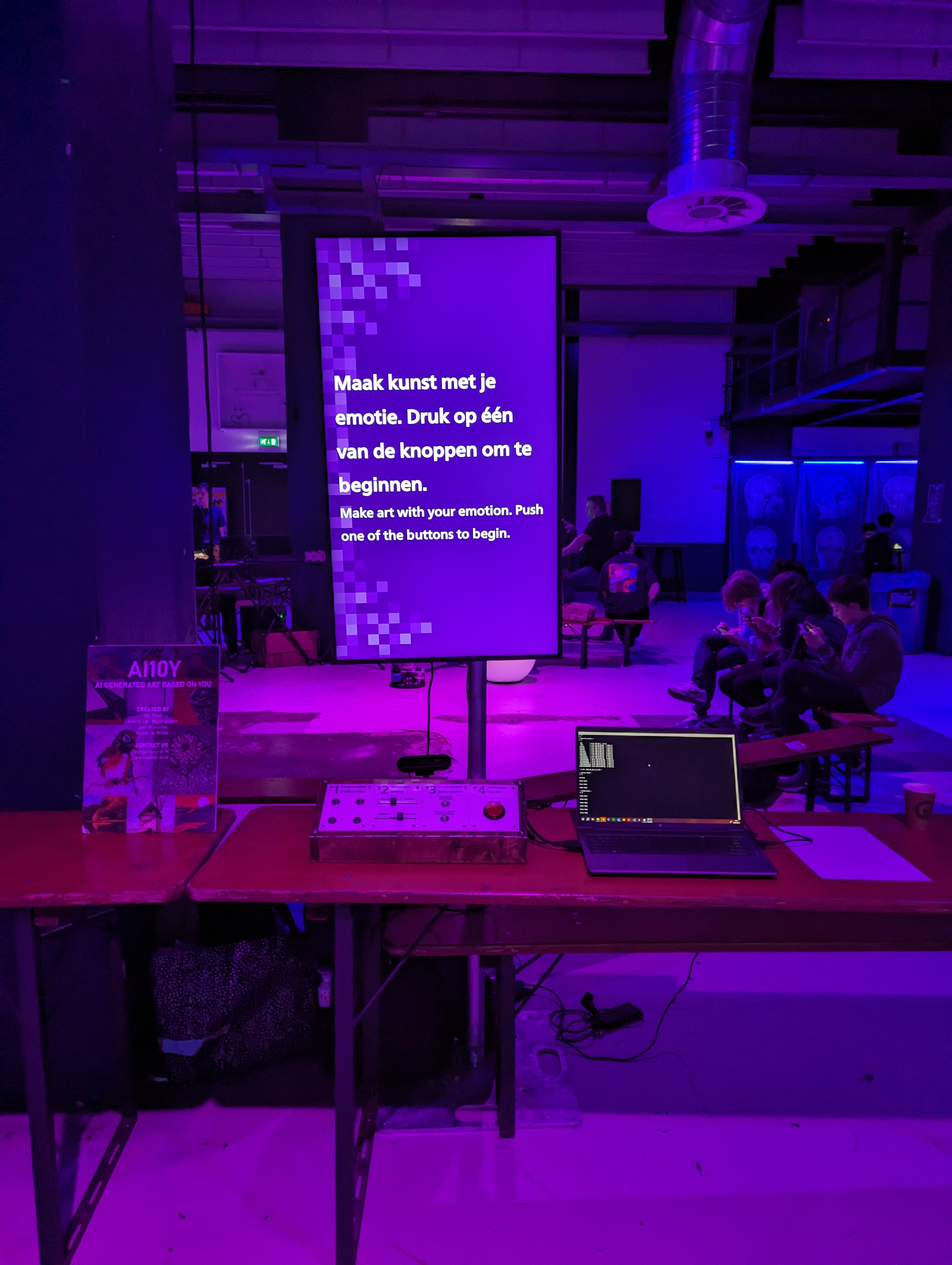
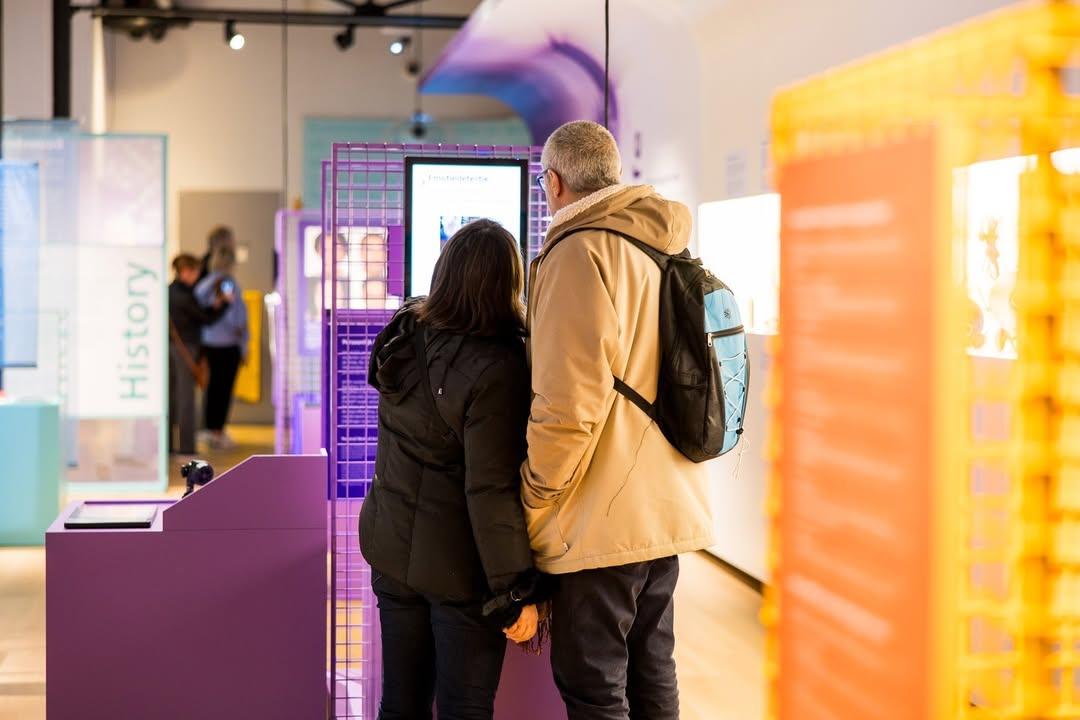
In my project 2 I designed a speculative museum experience for the Philips Museum (B&E) showing what AI could mean in a future home setting (U&S). I learned technical hard-skills (T&R) while exploring the possibilities of local AI image generation to show a constantly evolving AI artwork for future homes (C&A). We developed the design further after the project ended and the result is still on display in the Philips Museum.

Project 3 Research - Sensory Matters

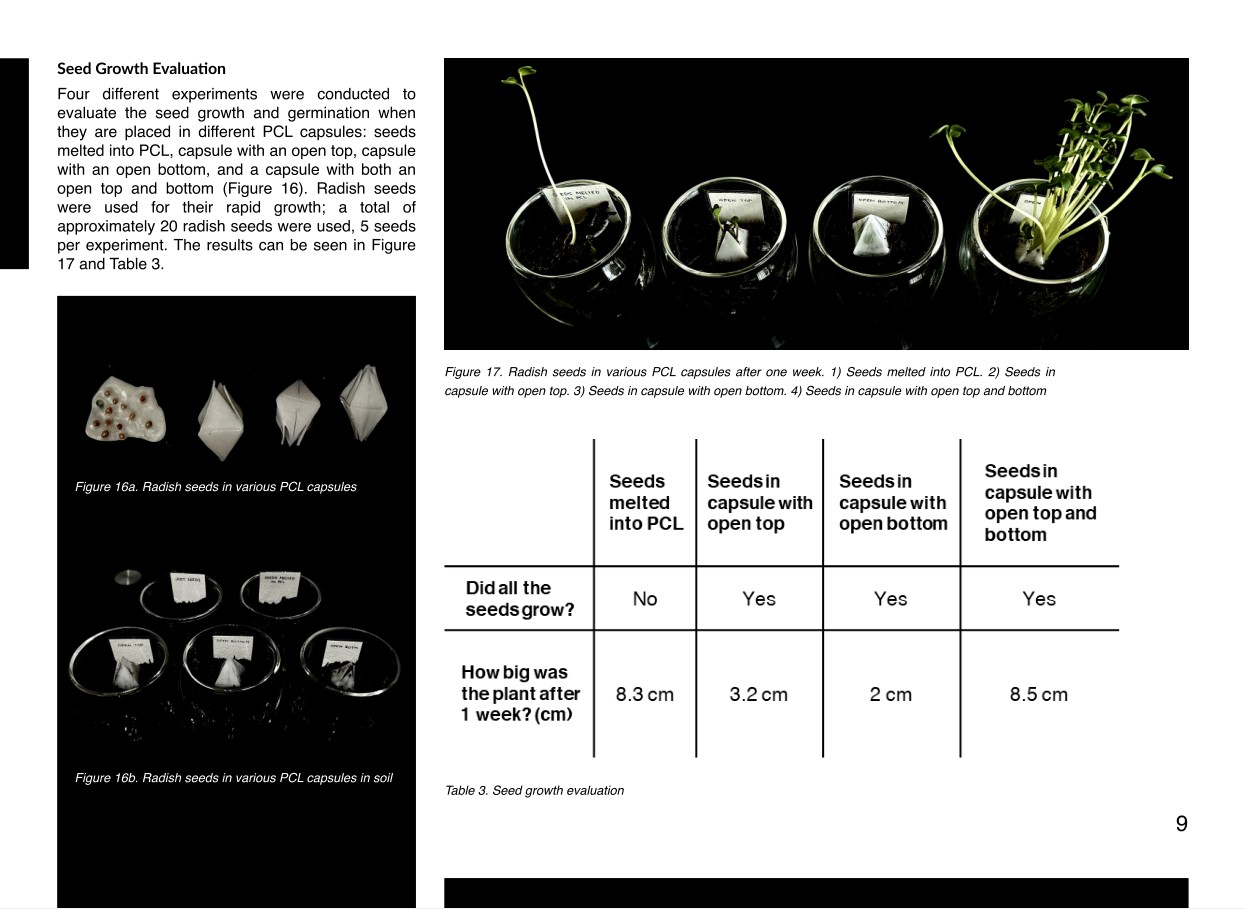
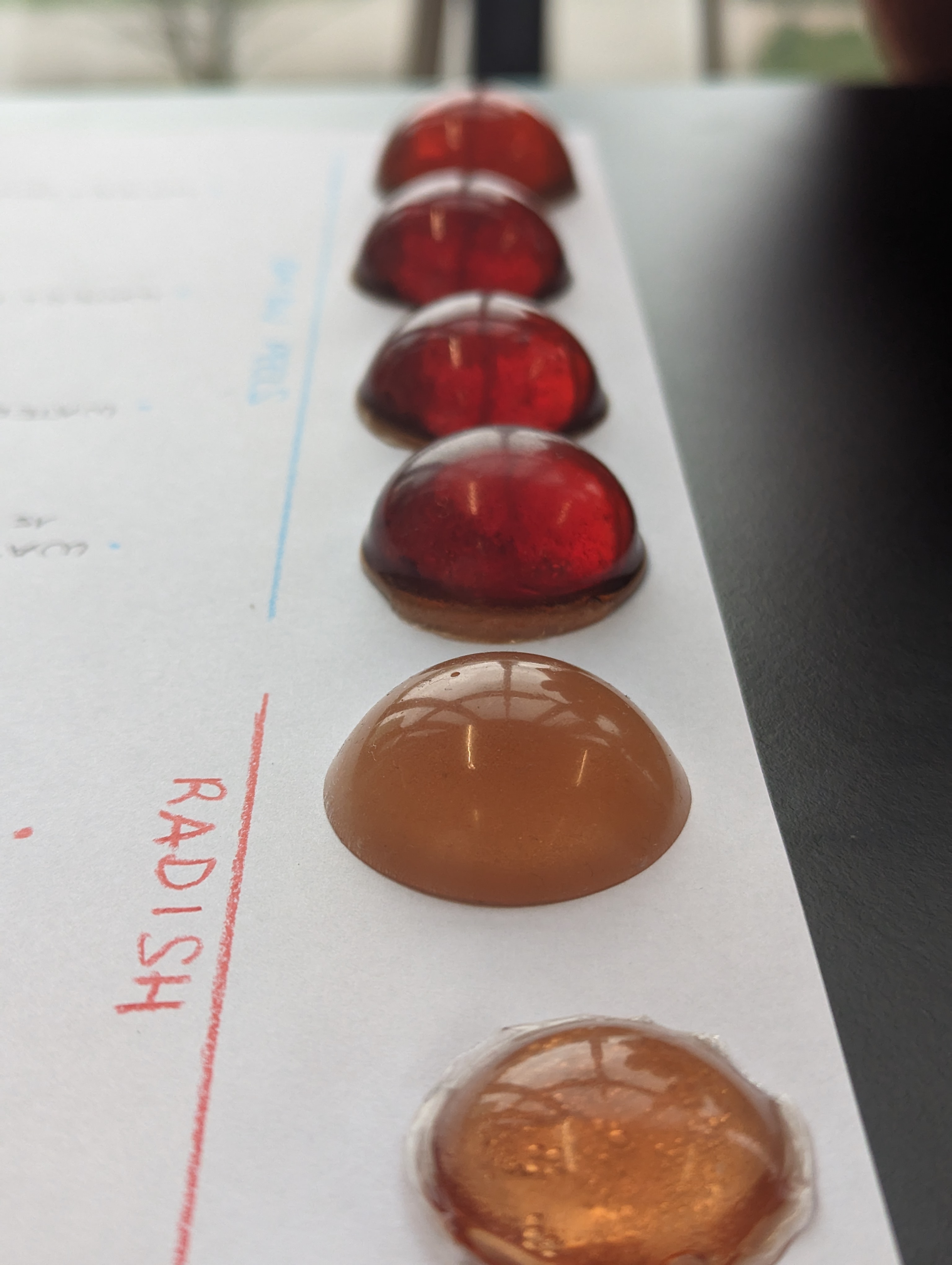
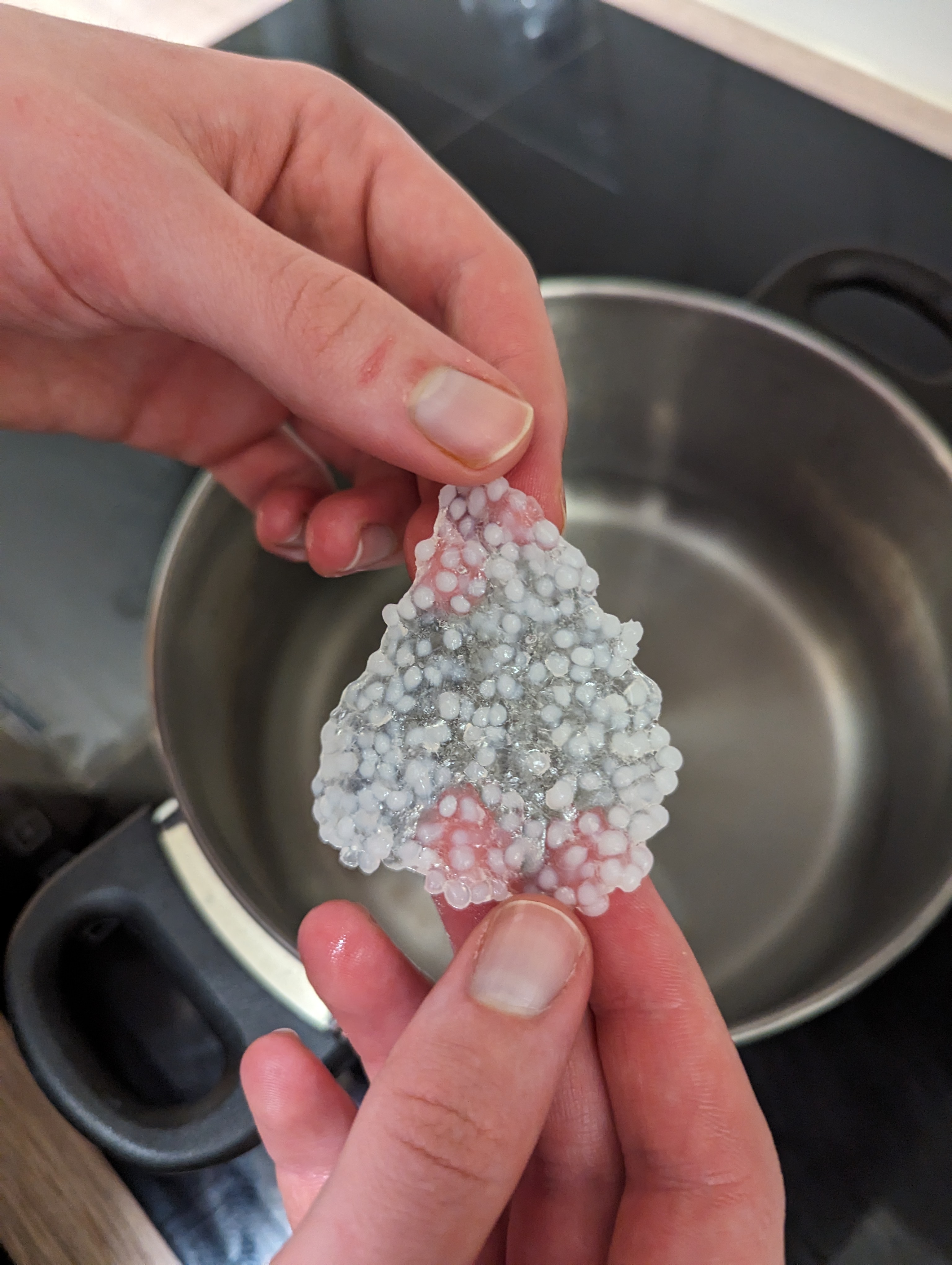
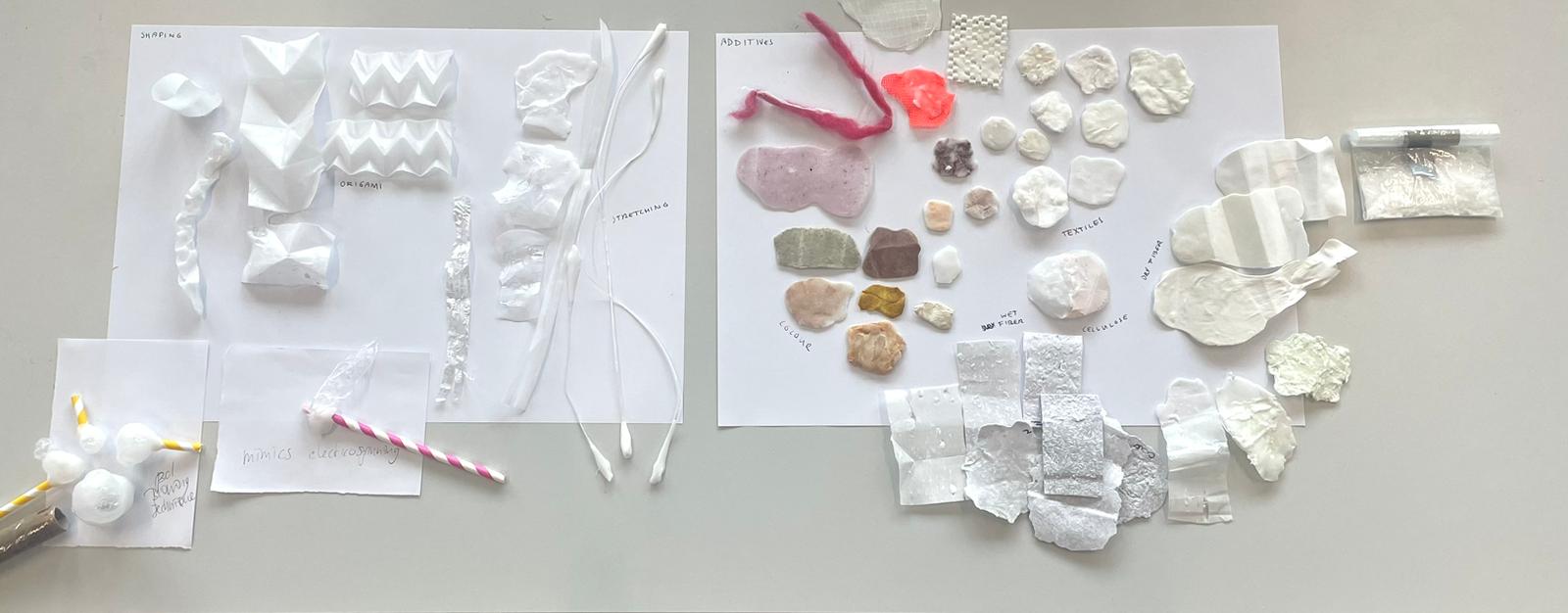
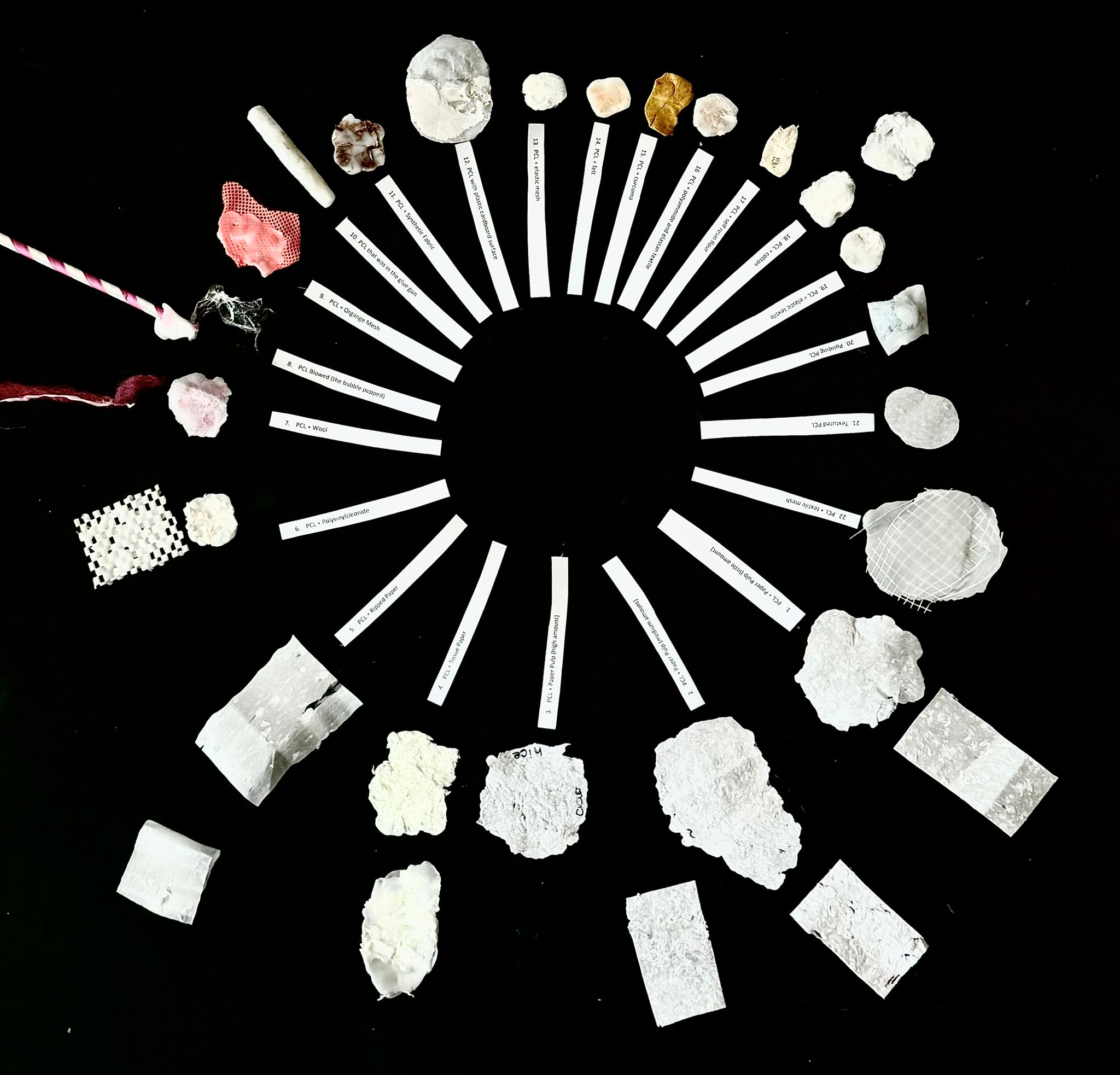
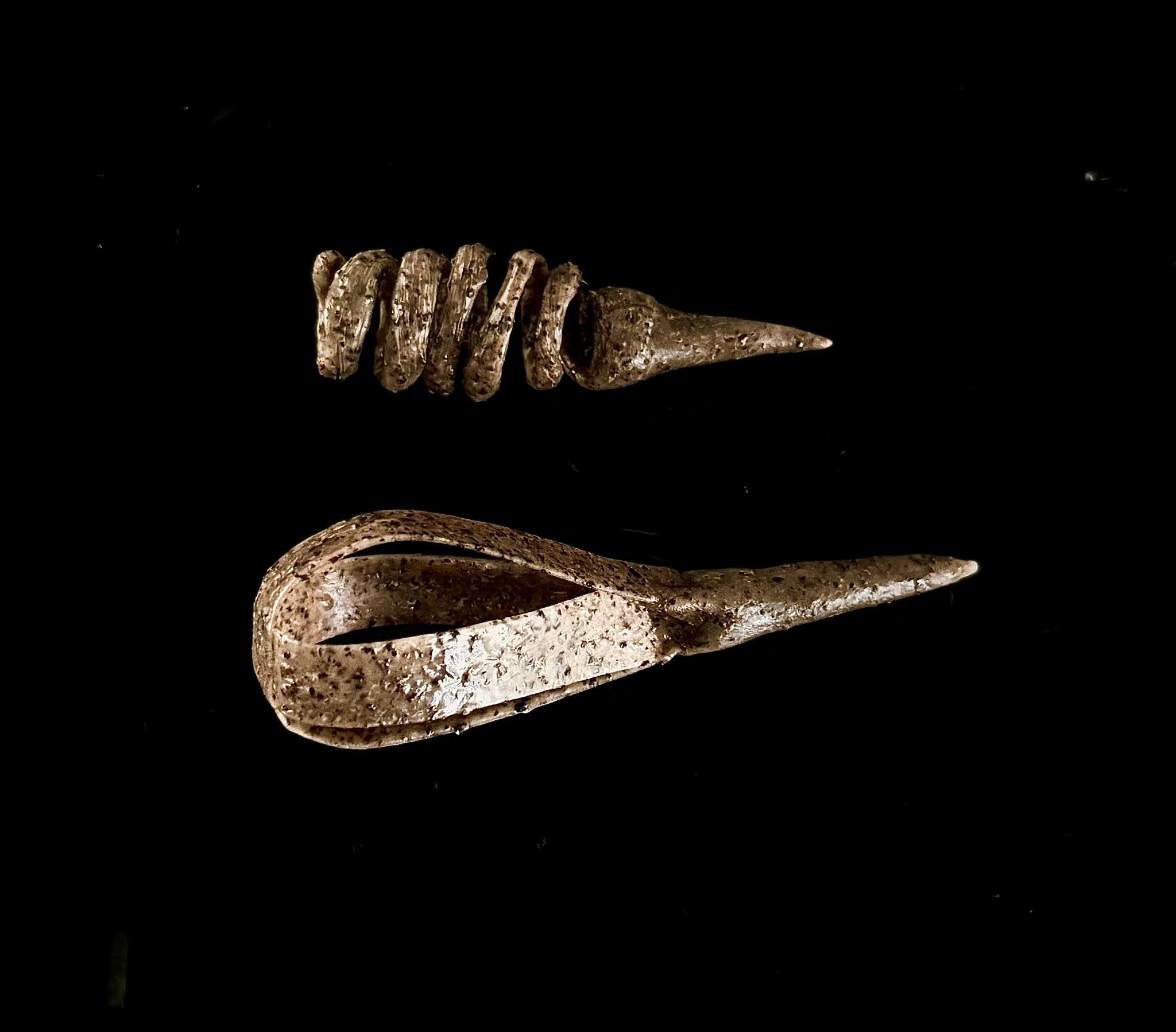
In Sensory Matters I completed a research-through-design process centered around the biodegradable, biocompatible material polycaprolactone. I learned to be more daring in working with my hands and learned to have discussions about material properties (C&A, T&R). It was an opportunity to learn benchmarking the research field, conducting design research, and presenting findings academically. The results showed how the material could be used in design for agricultural, biomedical, and prototyping applications (U&S).

Internship on Educational AI tools

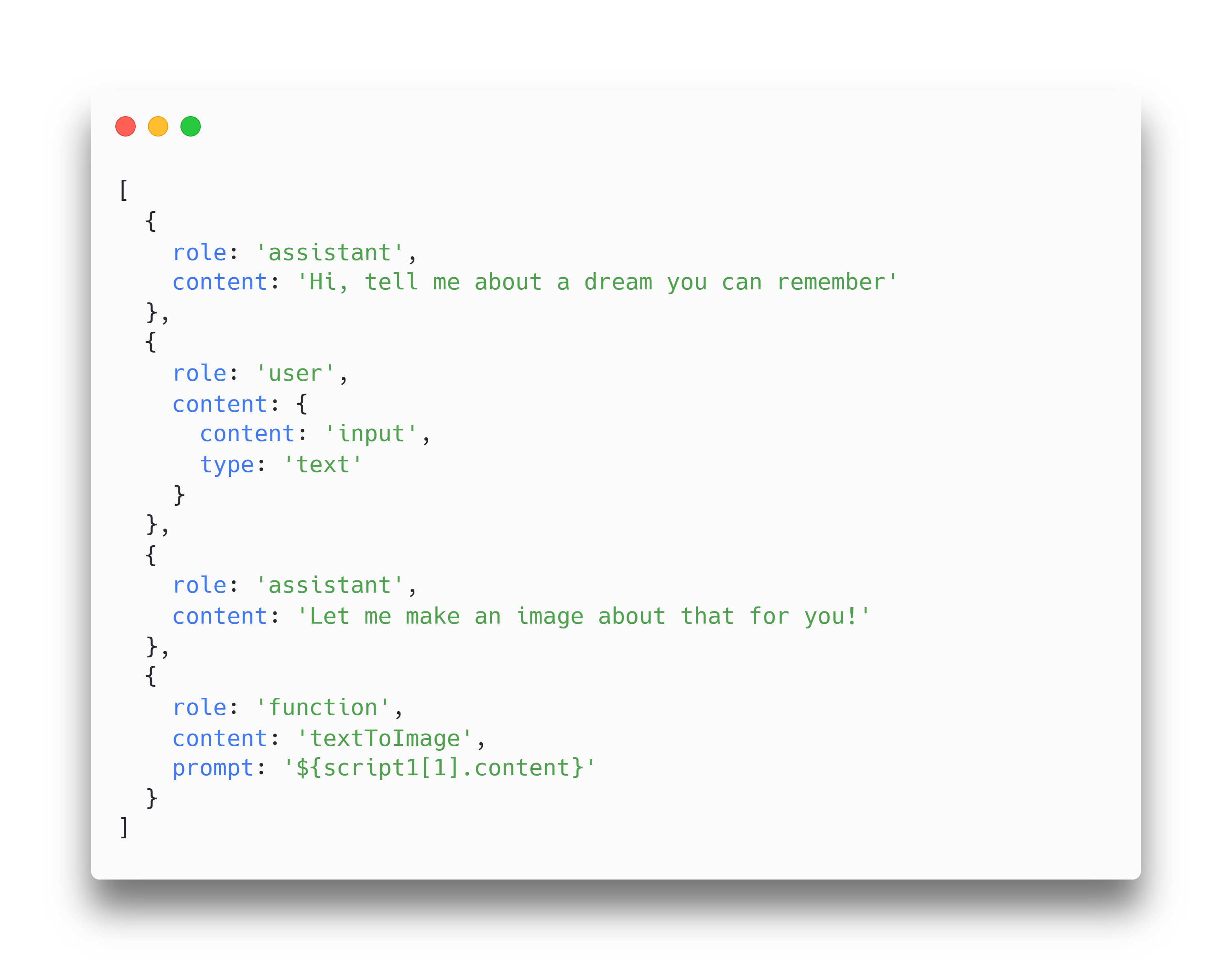
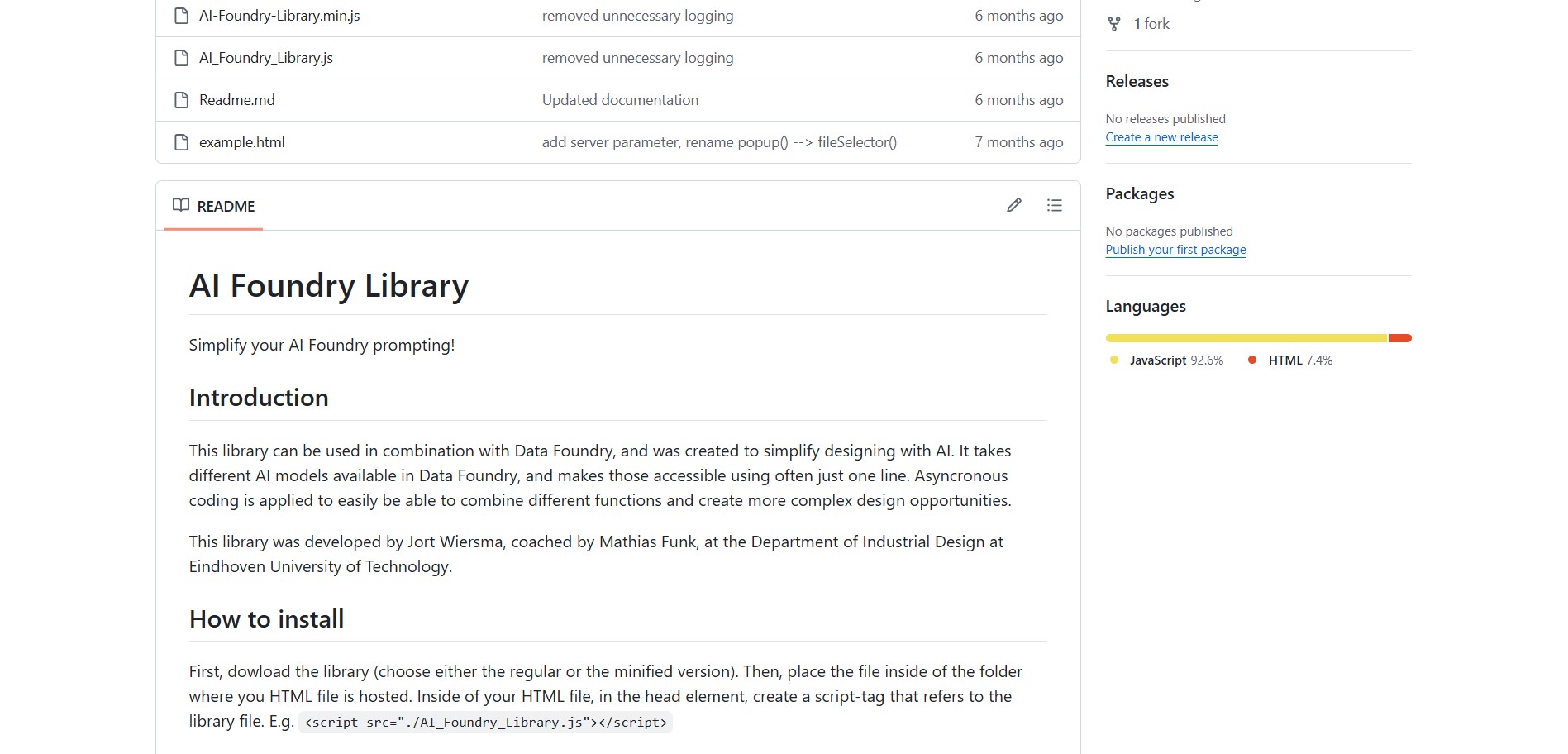
During my internship at the Computational Design Systems research group at TU/e ID I designed educational tools to make designing with AI more accessible. This resulted in two JavaScript libraries that allow access to Data Foundry’s local AI capabilities in different ways (MD&C, T&R). The experimental way of working I learned in Sensory Matters was applied to JavaScript as material (C&A). The design result is currently used to support AI exploration in Artifice education.

Influential Design Courses

Two courses that changed me as a designer have been Aesthetics of Interaction (semester 2.2), which taught me the importance of creativity in design and continuous (re-)exploration (C&A) that I applied in Sensory Matters but also in TP, and Design for Debate (semester 3.1), that allowed me to learn more-than-human design theory and perspectives and use those in my design (U&S, C&A).

Business (Design) Courses

By following Design Management, Design Innovation Methods, the Technology Entrepreneurship USE-line, Fundamentals of Product Innovation, and Fundamentals of Business Information Systems I am able to apply innovation methods in design projects, and apply design methods to business model innovation.

Extracurricular

Besides formal education there are a number of activities that contributed to my development. Firstly, continuing my Project 2 after its completion to prepare the prototype to be exhibited. We iterated upon the user interaction based on more testing and improved the aesthetics (U&S, C&A, T&R). We presented the resulting prototype at events such as the GroenPact conference, Kennisfestival, and Night of the Nerds. It has been on exhibition in the Philips Museum since April 2024.

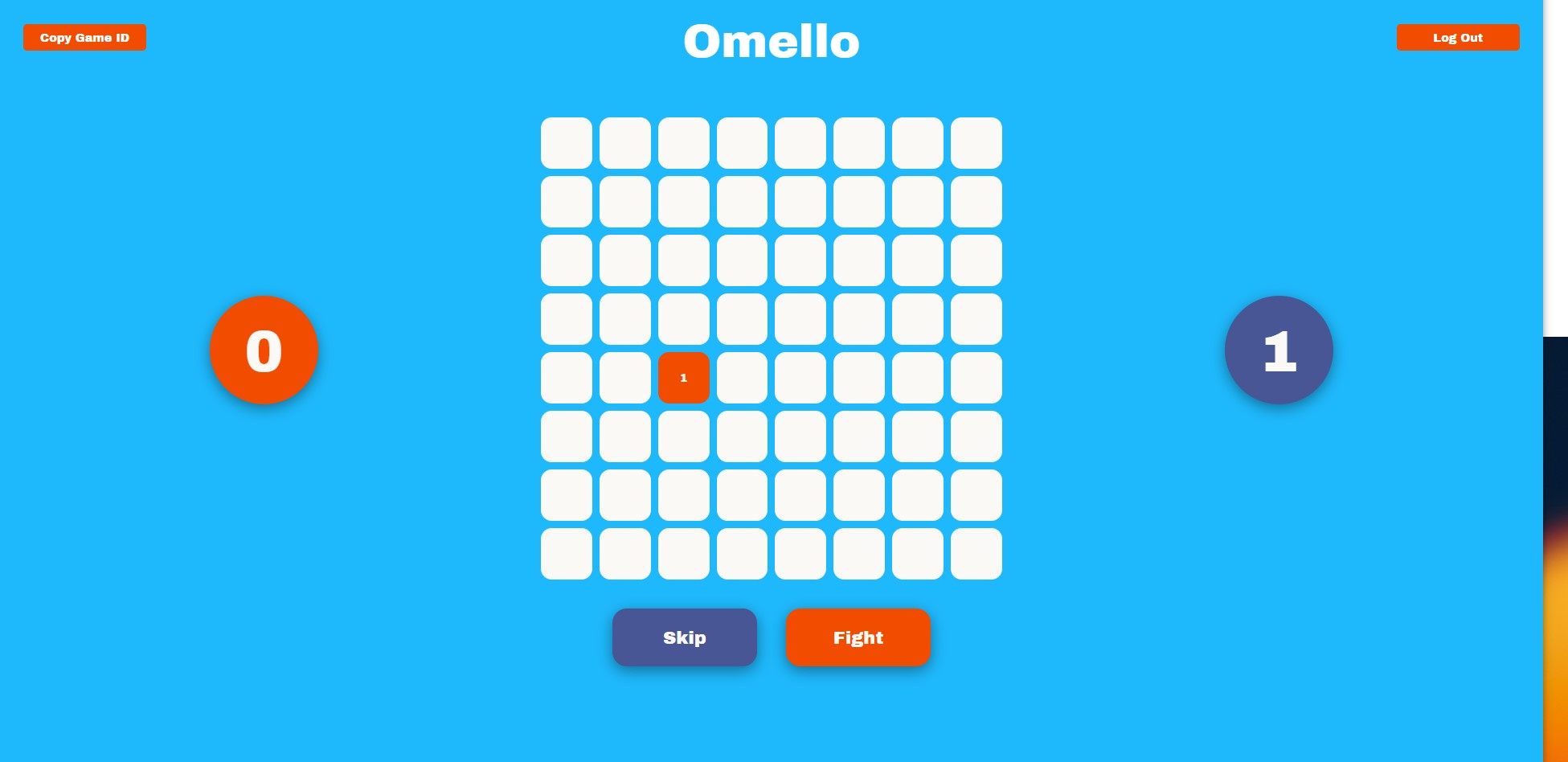
In addition to this, I do small design projects for clients with my peers Euwe de Wilde and Floris van Warmerdam. We are currently working on a custom alcohol-level sensor for Bossche Stokers and a modular solar charging station for Kleverbergh. Besides this I have also worked on personal design projects such as the digital strategy game Omello and other small web development projects.

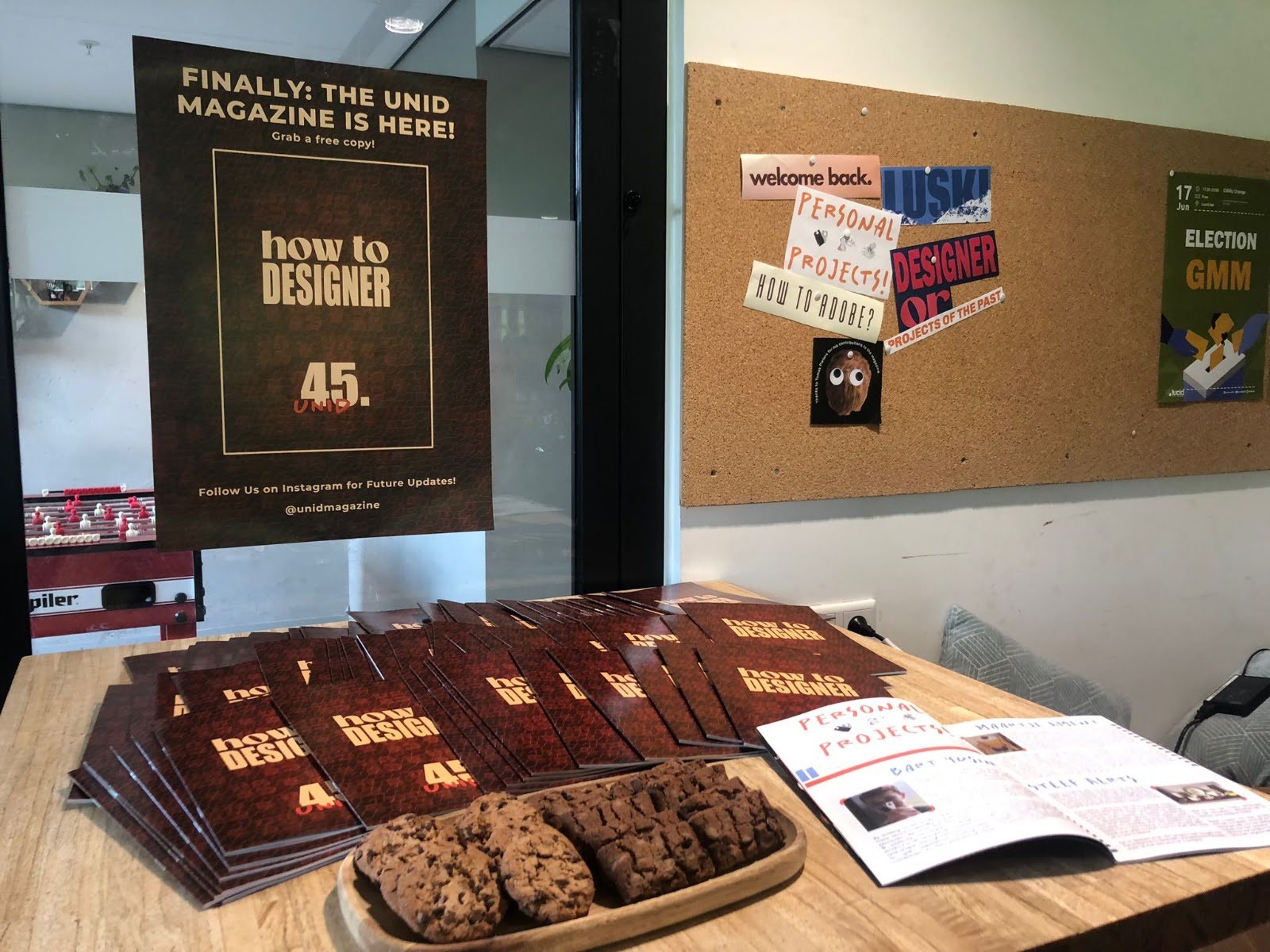
I have been part of a few committees: I was a student representative in Industrial Design’s Program Committee and Lucid’s B-council, I was writer and treasurer for Lucid’s UNID Magazine, and I was commissioner of external affairs for Lucid’s introduction week committee. In addition, I have been teacher asssitant for Calculus and Creative Programming, and I have been awarded the ALSP High Potential Bachelor Scholarship in 2025.

Present

Business & Entrepreneurship

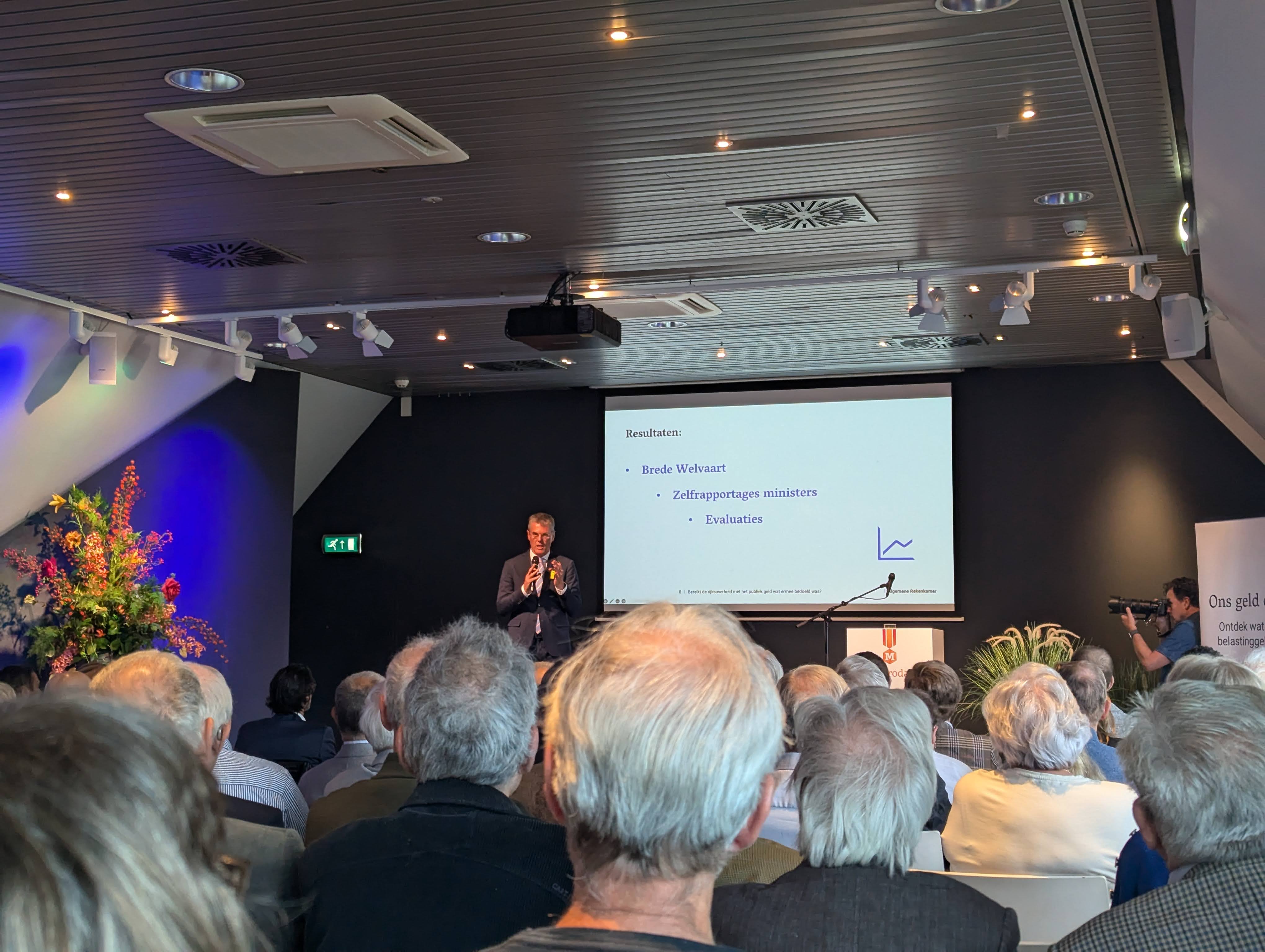
In my FBP I strived to balance three goals in my client collaboration: I wanted to design something the client would use and present internally and externally, to represent the squad and university by showing what design could mean for the client, and to develop my own design and entrepreneurship competencies with the client. I already had experience working for a client (see project 2, internship, and extracurricular) which helped me balance those perspectives. This collaboration helped me understand how design can be a source of inspiration to organizations.

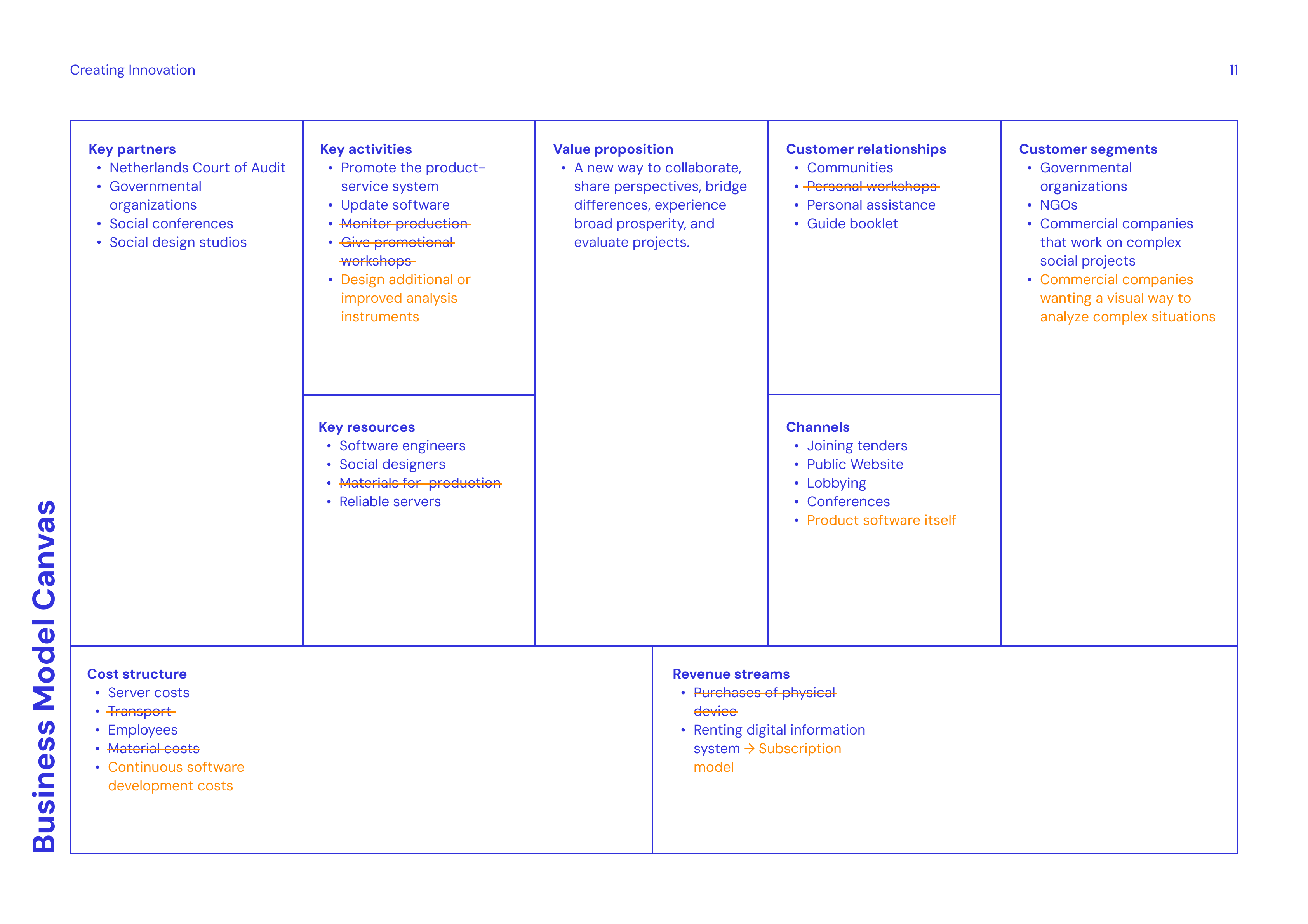
Having followed a range of business and (design) innovation courses, I am able to apply innovation methods in design projects, and apply design methods to business model innovation. I have theoretical knowledge on the startup models, corporate culture, and IP rights, and have practical experience in business model iteration and analysis, designing new value propositions, and testing minimum viable products. I applied these methods on my medium FBP result in my Design Innovation Methods report, where I completed an iteration in parallel to reach a larger market and commercialize the product. Overall, I see business as a means-to-an-end to achieve impact, in line with my vision.

Creativity & Aesthetics

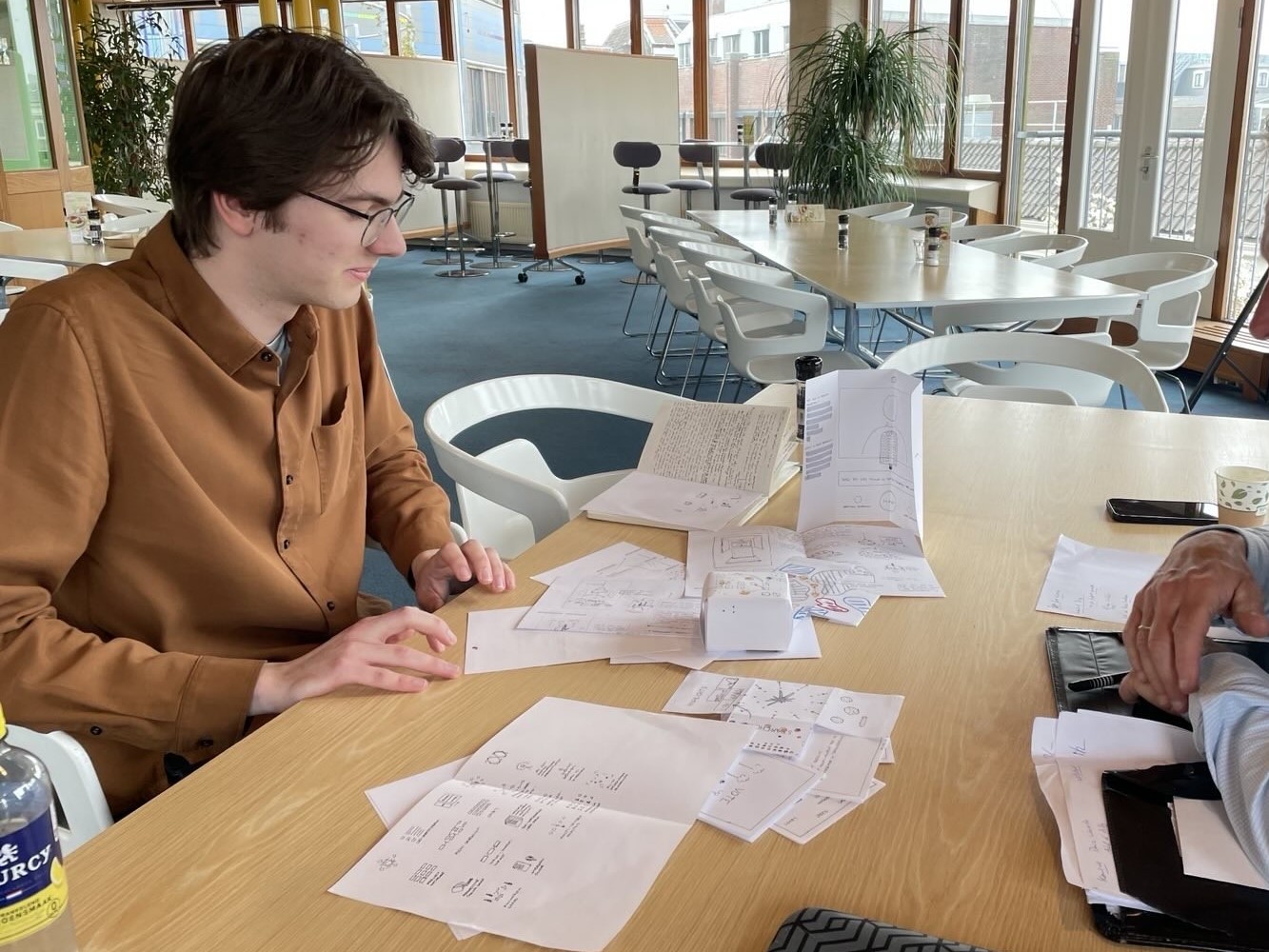
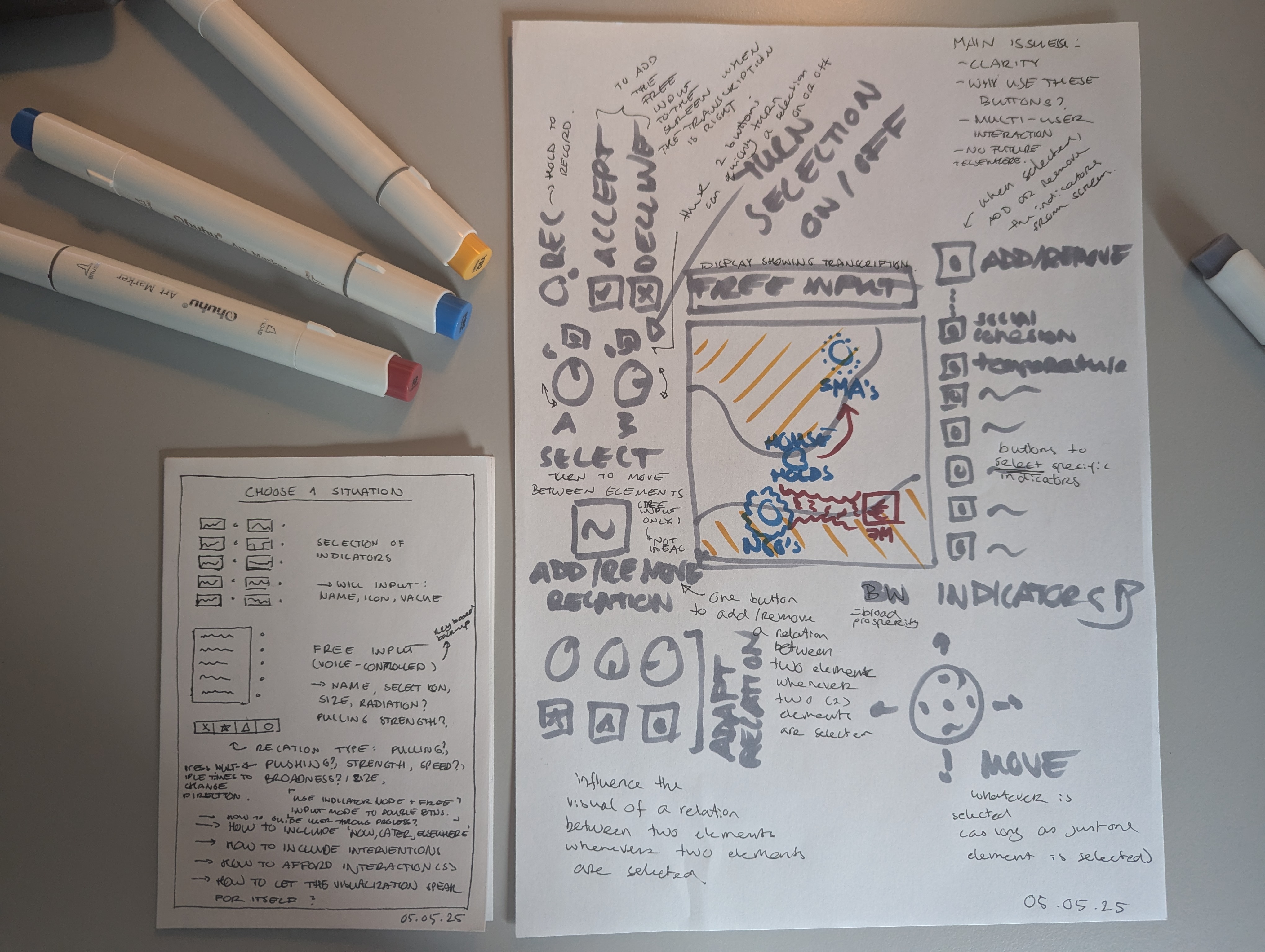
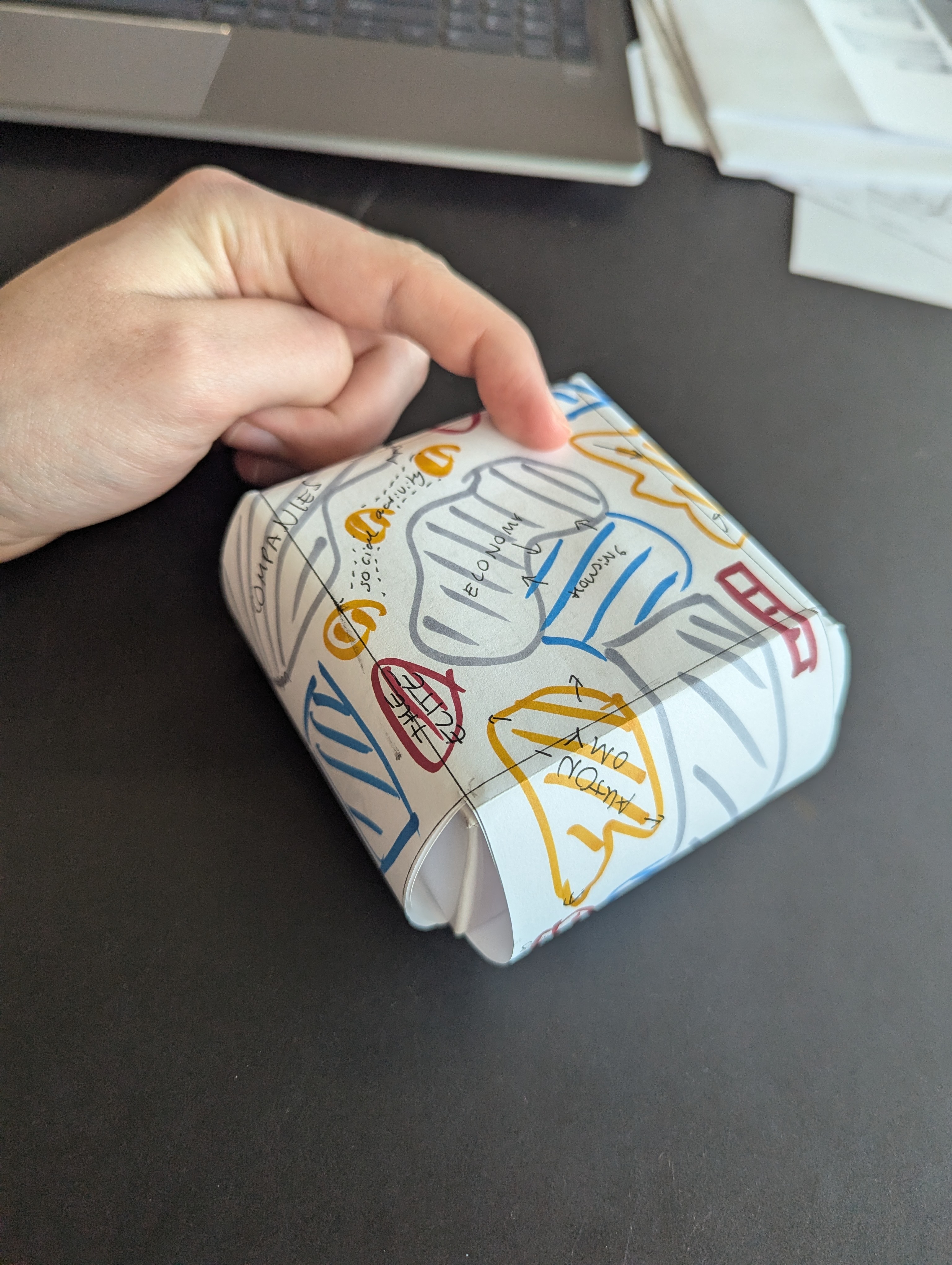
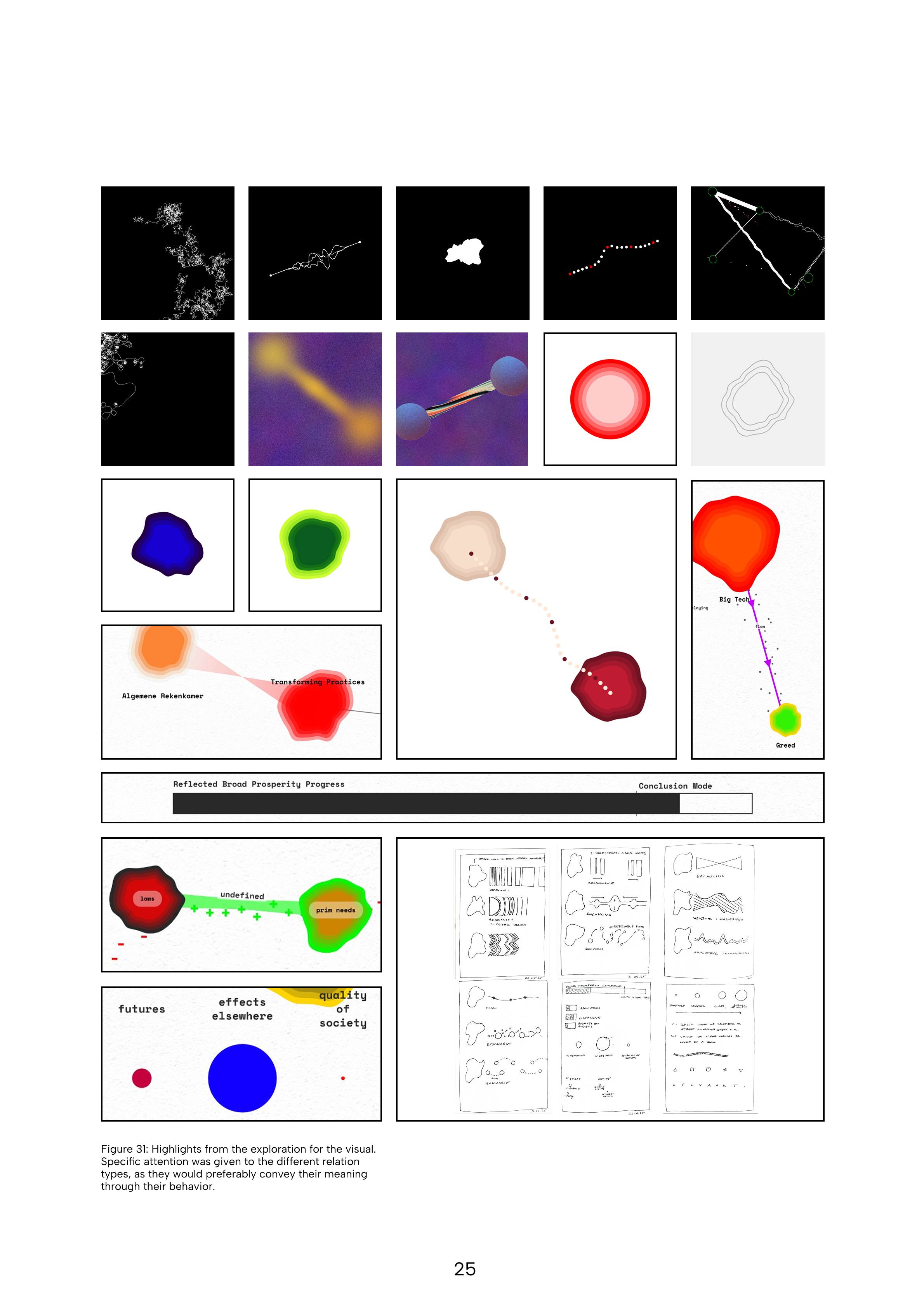
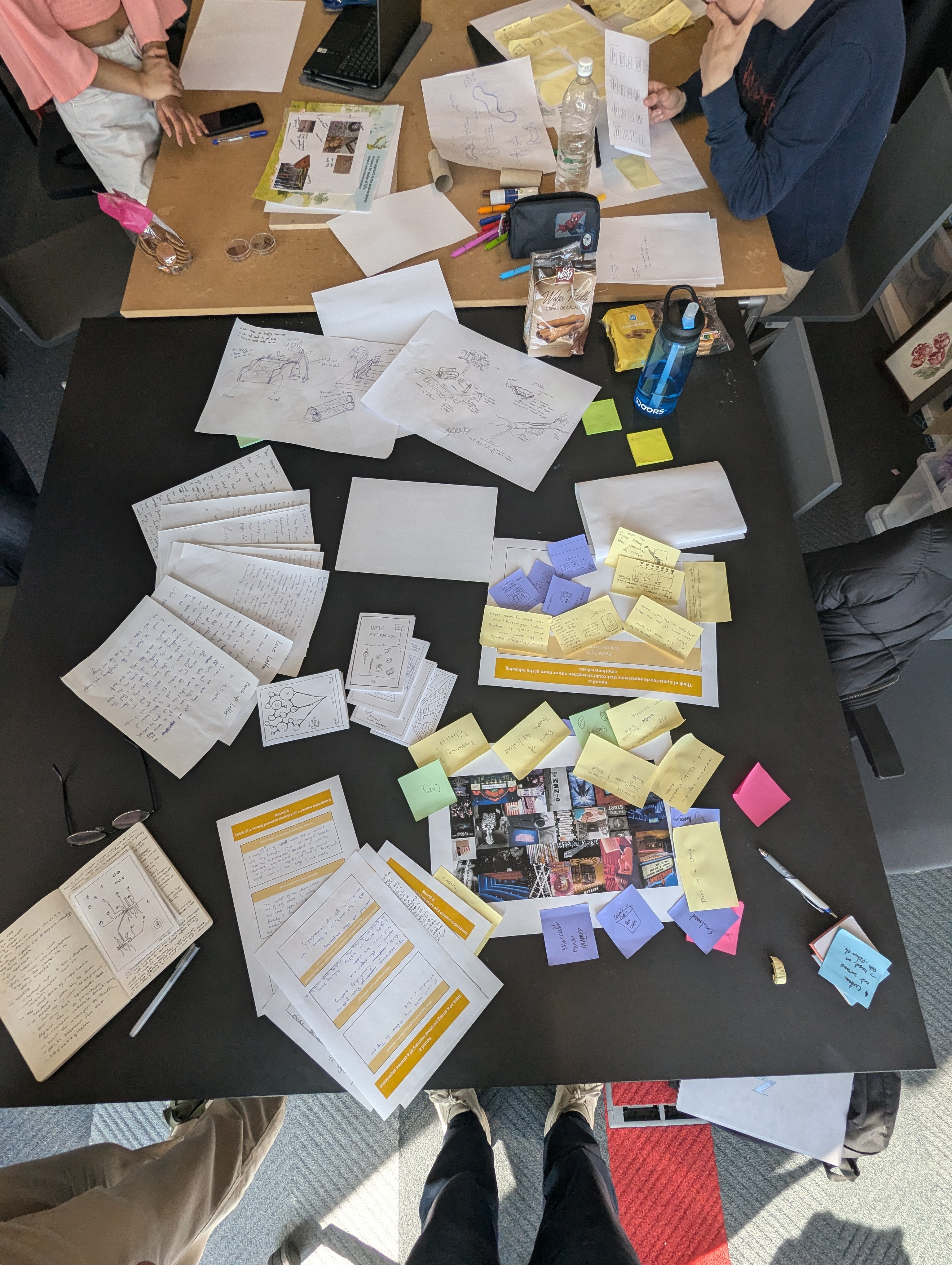
During my bachelor’s education I have slowly adopted a more and more explorative, experimental, and creativity-driven approach. Taking from Krogh et al. (2015), I usually engage in “expansive” experimentation in earlier stages of my process, as I work in rapid feedback loops where early outputs and literature inform ideation and “drifting” through making. In later stages I apply a more “accumulative” way of experimenting, as I stack knowledge by designing multiple versions of the same concept, slowly getting into more detail. In my FBP I have used zine-making and sketching as a medium or “material” for this making, but I have also taken similar approaches with biodegradable plastics and even code. During the accumulative experimentation phase I informed my iteration with the design knowledge I had gathered throughout the process, client collaboration goals (B&E), application area insights (U&S), and technical feasibility concerns (T&R). In my client meetings I always showed a purposefully imperfect process, which seemed to support our collaborative opportunity-thinking.

Within and besides this way of working, I apply creative techniques such as paper prototyping to experience and evaluate ideas, or 6-3–5 brainwriting to support (collaborative) idea-generation. I use different lenses in my approach to integrate designing for myself and my own development, the client, and societal transformation (B&E, U&S). I usually rely to a fair extent on my designerly intuition, that I ‘feed’ with literature review, inspiration, and other design knowledge gained throughout the process.

Math, Data & Computing

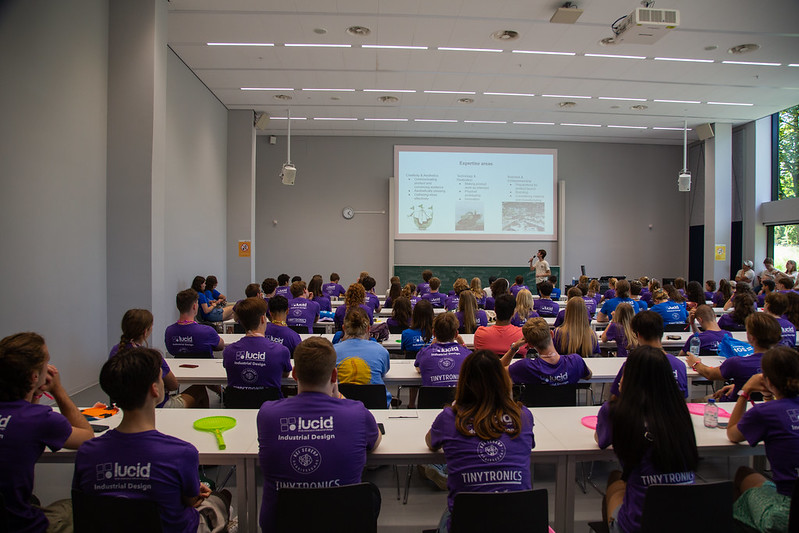
During my internship I wrote open-source JavaScript libraries with extensive documentation so it can be understood and used by non-programmer designers in Artifice, but also during external AI-in-design workshops or as part of the master course Designing Conversational Experiences. I was able to remove the requirement for designers to understand data (text, image, and audio) processing and making API calls, and provided different user interfaces for different purposes (U&S). I used some of this in my own FBP, which I also open-sourced. Here, I also needed to process hardware sensor data from the PCBs, for which I created a small data store later used in the (data) visualization (C&A), and allowed easy access to users to prepare sessions. Less major MD&C experiences are following Making Sense of Sensors where I did deeper analysis using self-gathered quantitative data using Python with Pandas, gathering and analyzing qualitative data during validation for my FBP, and also teaching Calculus as a tutor.

Technology & Realization

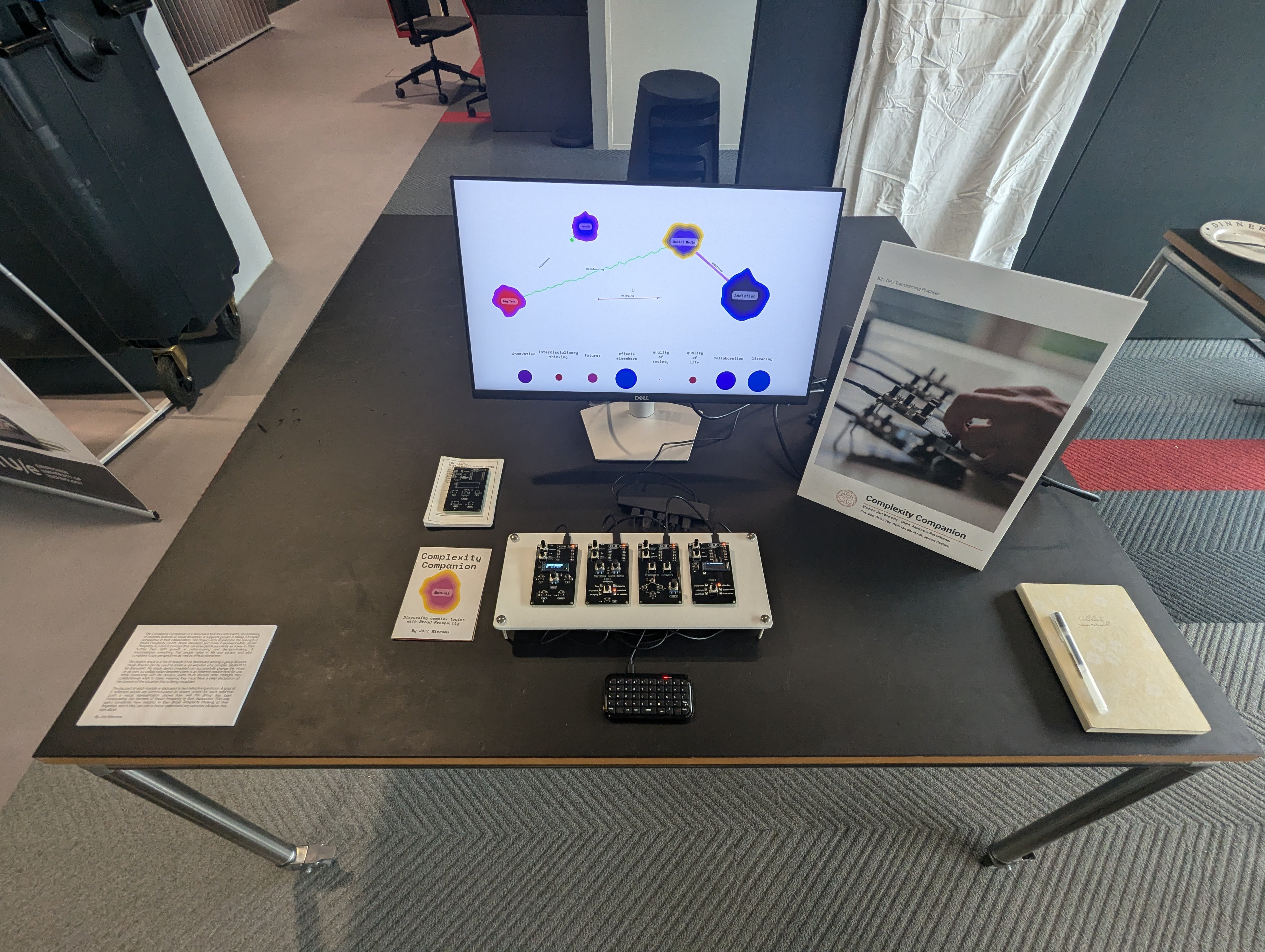
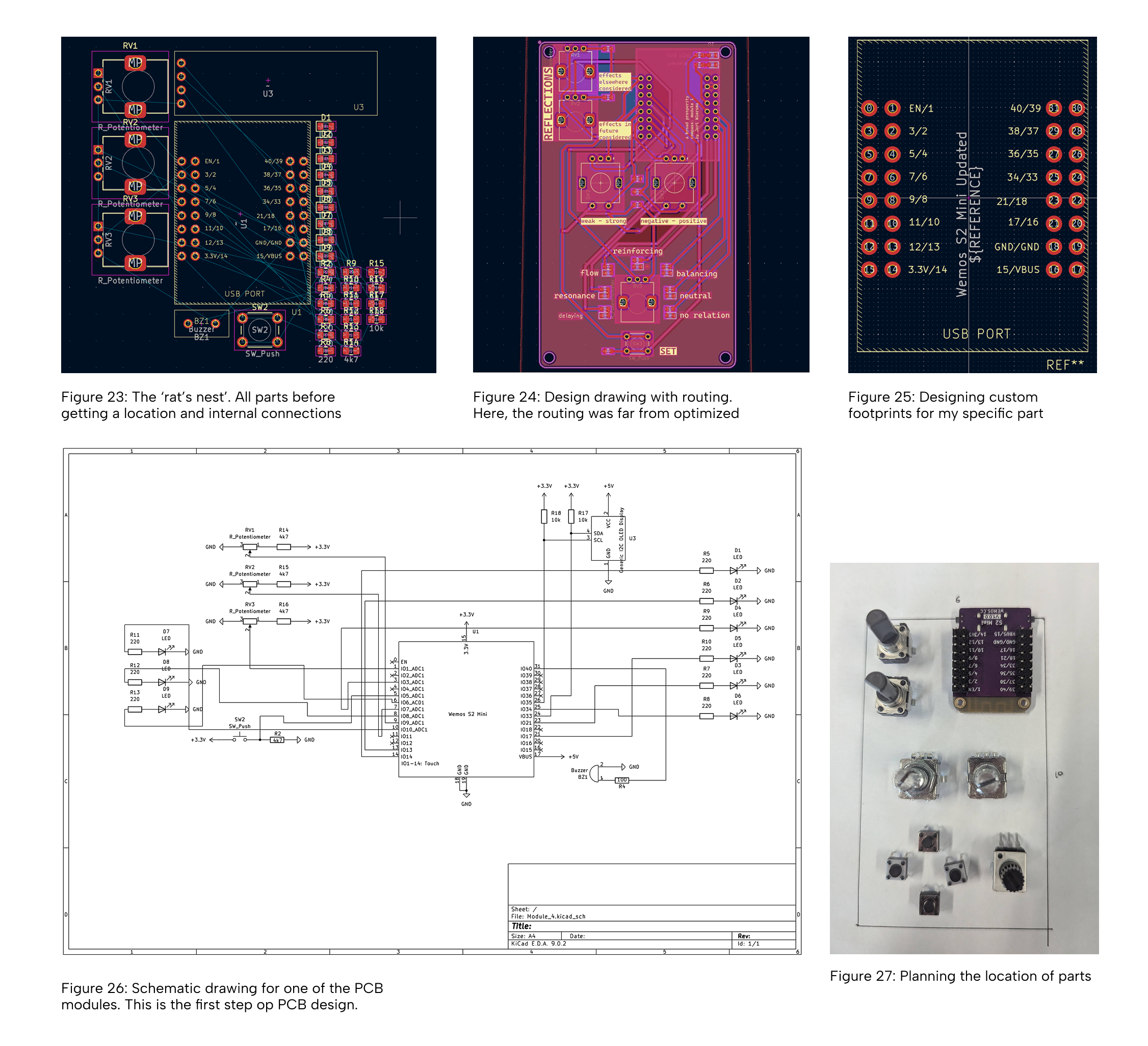
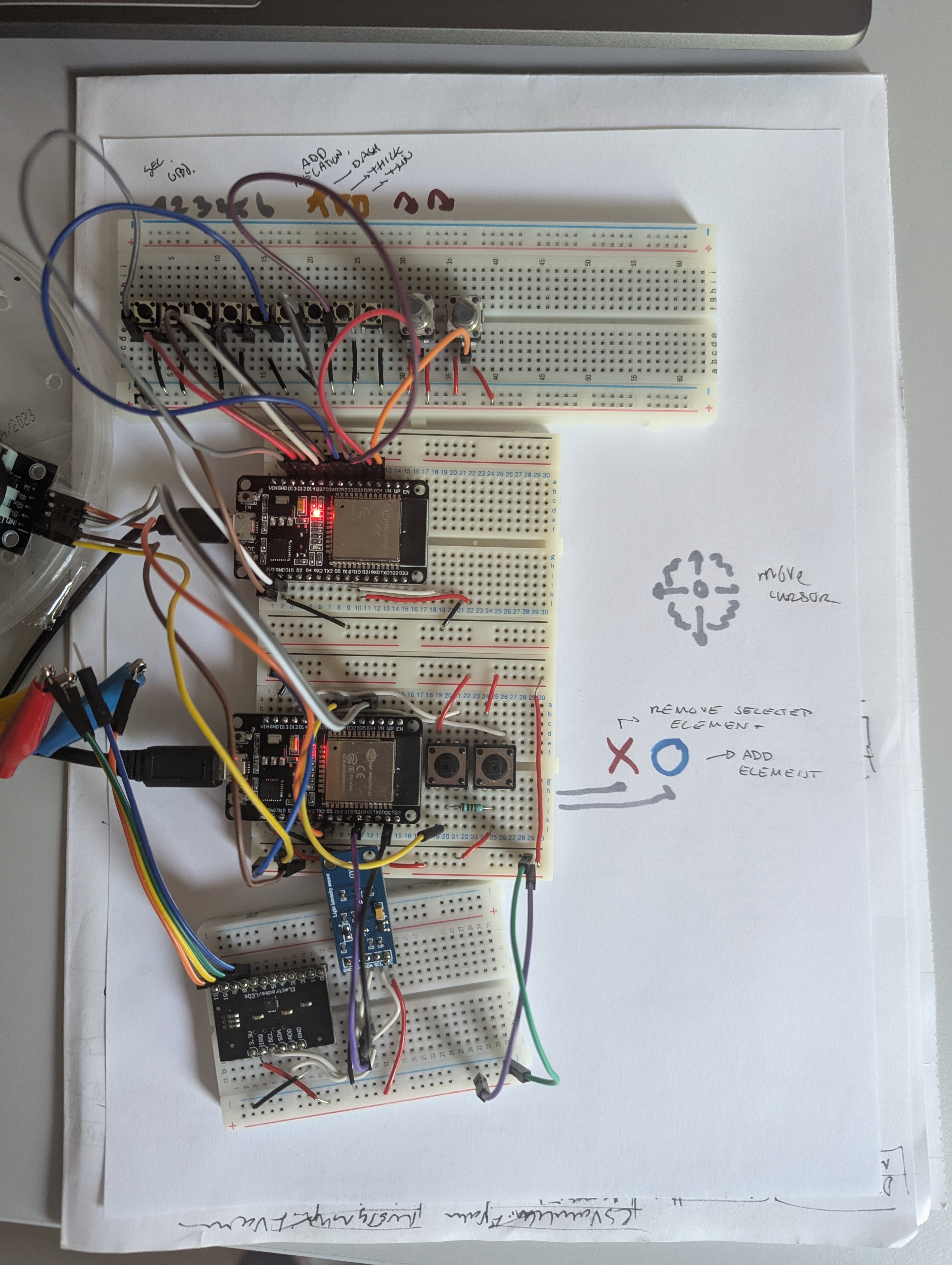
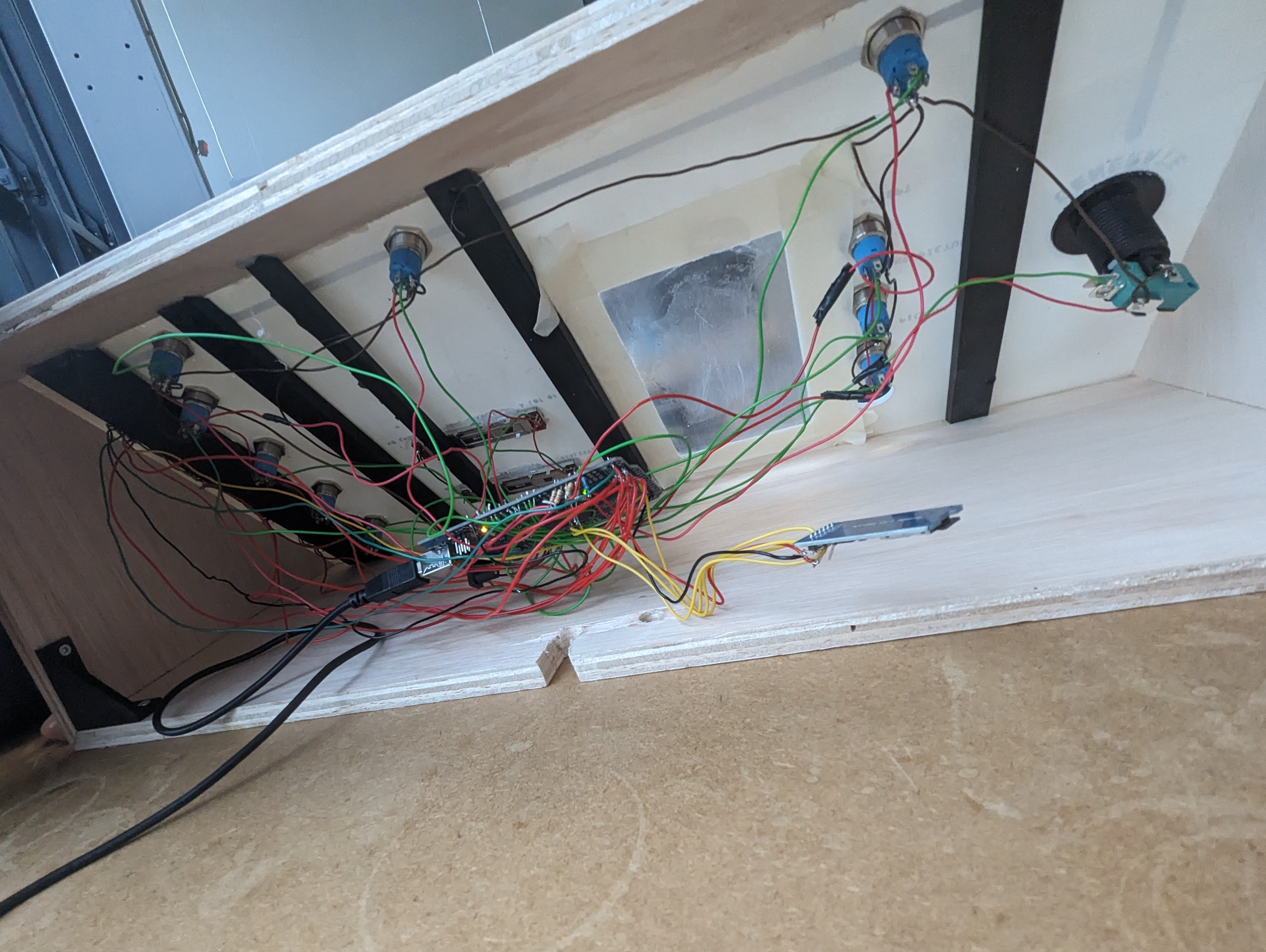
In each of my projects I have learned different skills in T&R that have accumulated to be a broad range of technical hard-skills. Most recently, I learned PCB design, that required deep-diving data sheets of electronic parts, designing custom footprints, understanding electrical correctness, taking measures to improve part durability, and making cost-calculations to compare manufacturers, materials, PCB sizes, and part selection. I can now use this skill in future physical-digital prototypes, as I like to integrate multiple technologies to create interactive systems. For example, in my FBP I used these PCBs with each a Wemos S2 Mini that use OOCSI to send raw sensor data to a website with JavaScript which I then use in P5js to visualize the user input - or my Project 2 that sends similar data through Serial to Python which then makes API calls to access multiple AI techniques. In addition to these realization skills, I also have a basic understanding of discussing and benchmarking different materials based on mechanical and sensory properties as follows from my project in Sensory Matters where we analyzed application areas in design for the material polycaprolactone.

User & Society

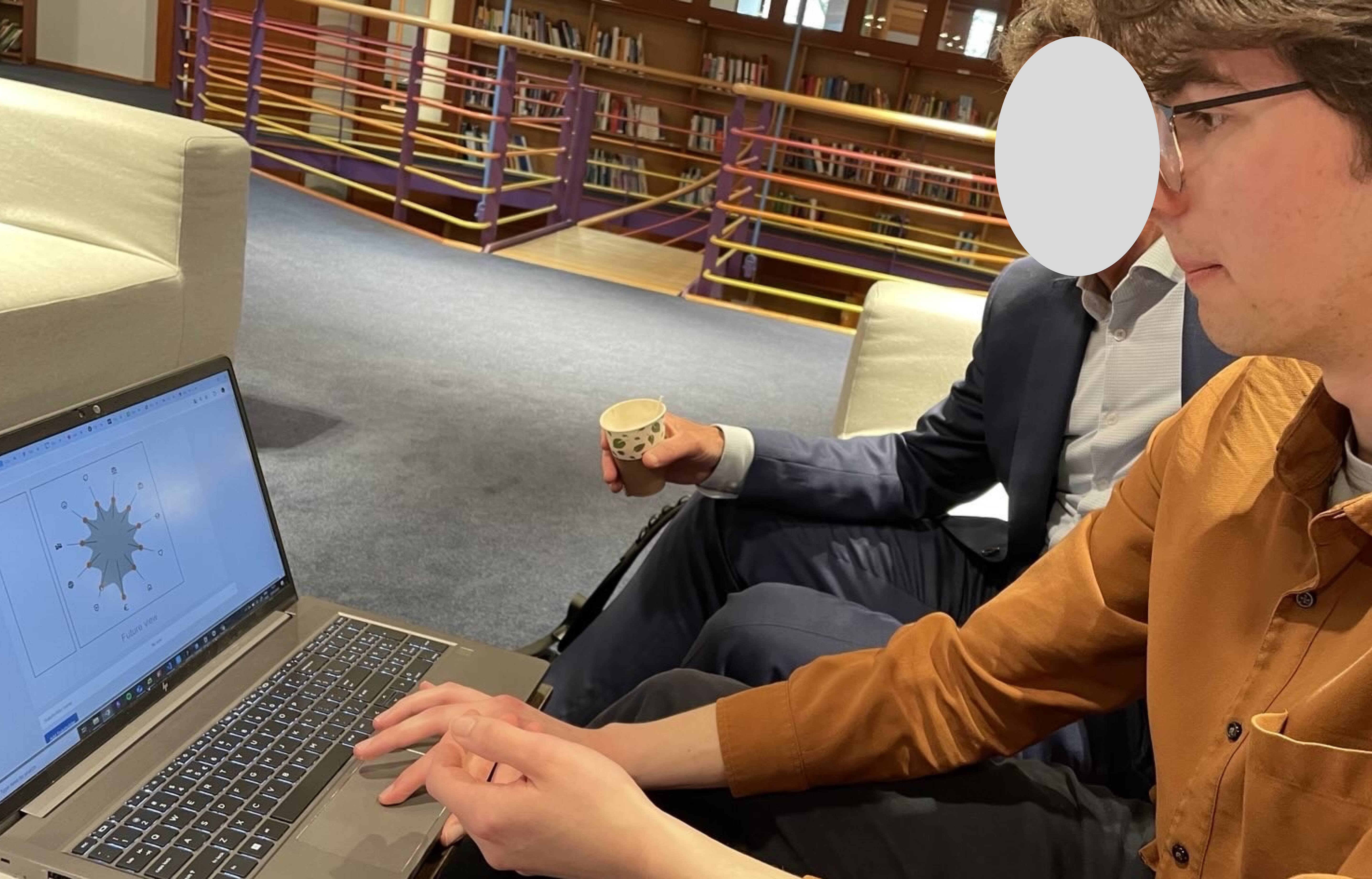
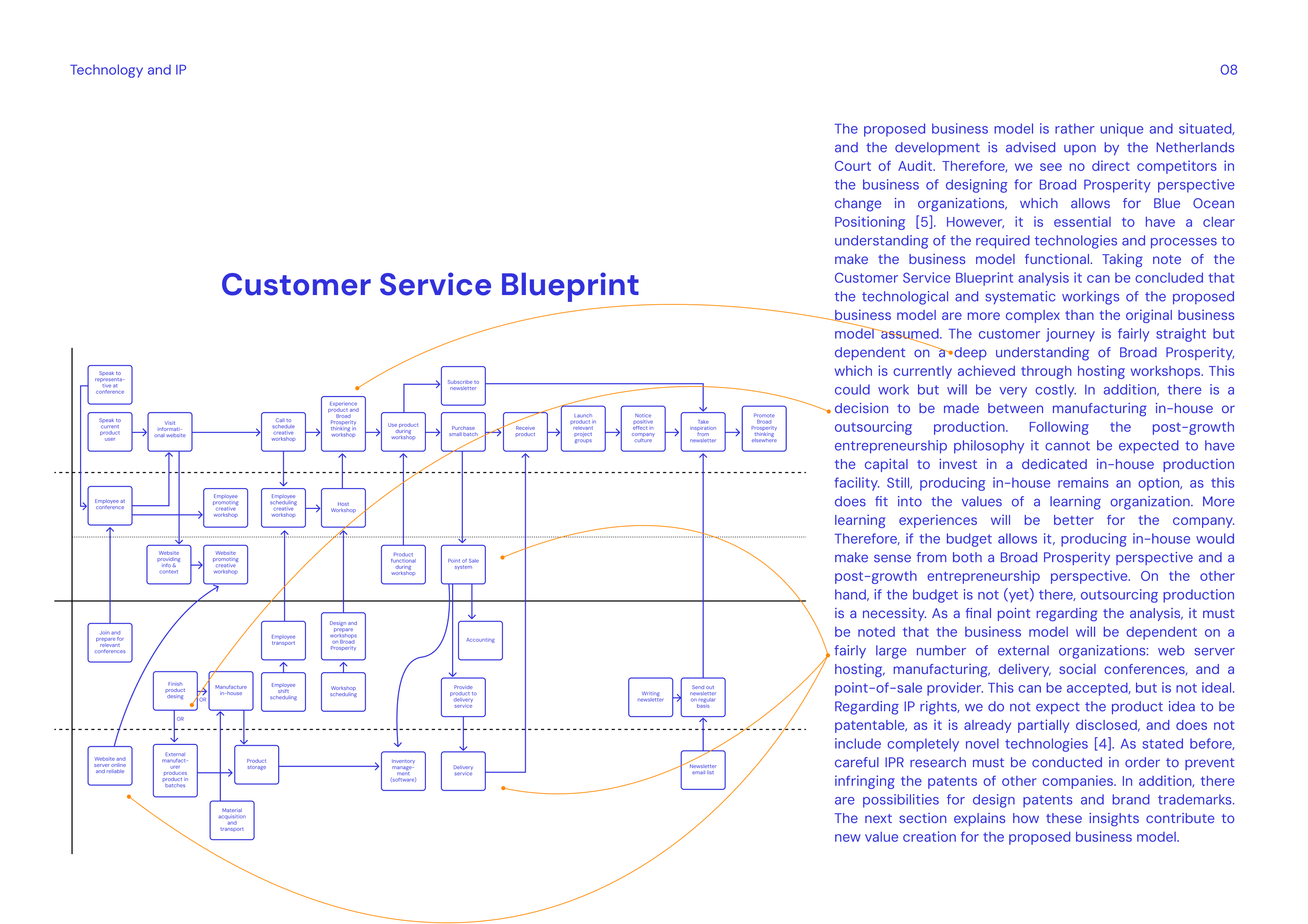
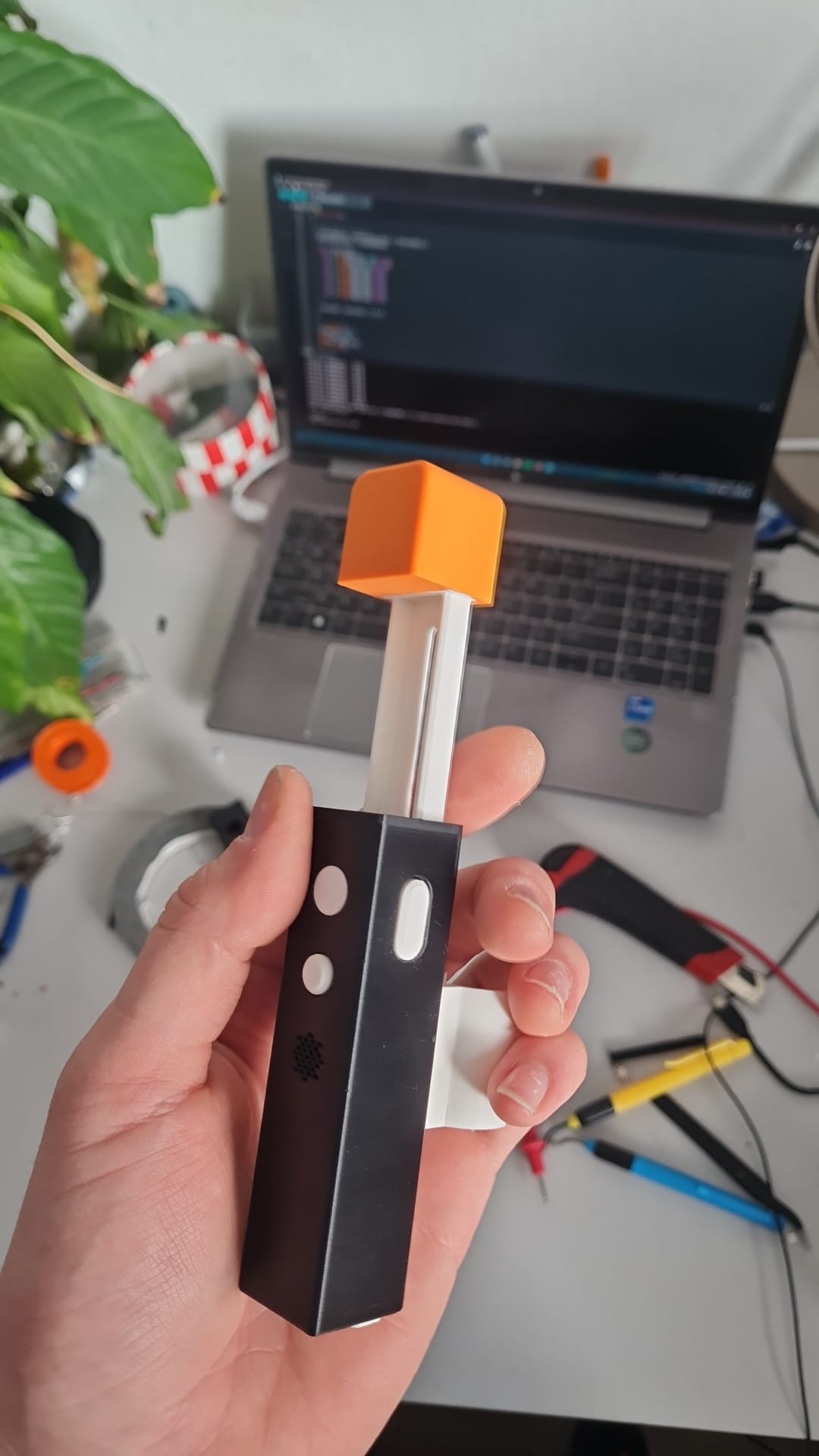
In my FBP I worked with the complex societal topic of Broad Prosperity that I analyzed to find opportunities for design. I balanced multiple perspectives to best act on those opportunities and gathered (exploratory) design knowledge from client interaction to dive deep into the topic (B&E). Besides topic knowledge, I also used insights from these meetings to drive the final design, such as their self-reported internal “silo-mentality” that was indirectly represented in one of the reflection knobs. The project result aims to make Broad Prosperity experienceable, providing tools to use the Broad Prosperity approach in collaborative discussion to take small steps towards transformation. I have internalized the TP mentality and found TP theories that relate to my work, offering future design research possibilities around participatory sensemaking. To validate the final design and drive final design decisions, I conducted a small qualitative user test that led to insights on the prototype’s interaction, user experience, and social interactions. This research experience was supported by my Project 3 learnings, where I conducted research for and through design about the material qualities of polycaprolactone including the user and sensorial experiences it afforded. I took a more user-centered approach when iterating on my Project 2 to make a complicated technology understandable to museum visitors while being fun and interactive, and in my Project 1 where we conducted user interviews to support our design decision-making.

FBP Reflection

I joined TP mainly to finally take a systemic perspective and develop in U&S as well as C&A as these were weaker in my competency profile. I wanted to learn how to design for broader-scale transformation, to gather qualitative data that can be used for design, to structurally reflect in- and on action, to use a consistent visual language, to take a physical and digital explorative making approach, to understand the design and topic research space on a sufficient level, and to gain a deep understanding of my user during the design process.

For a long time I did not have a defined user, but I did have a client with whom I kept close contact. My approach to collaboration has been described previously and I see this as a great success. Still, in a future design project I hope to take a more participatory or co-designed approach as I can still develop my human-centered design skills.

It seems to me that I was able to understand the topic well, but I was not able to deeply integrate TP theory in the process from the start. I did get to understand some of these approaches later on, so I am confident I can apply them in future design (research) projects.

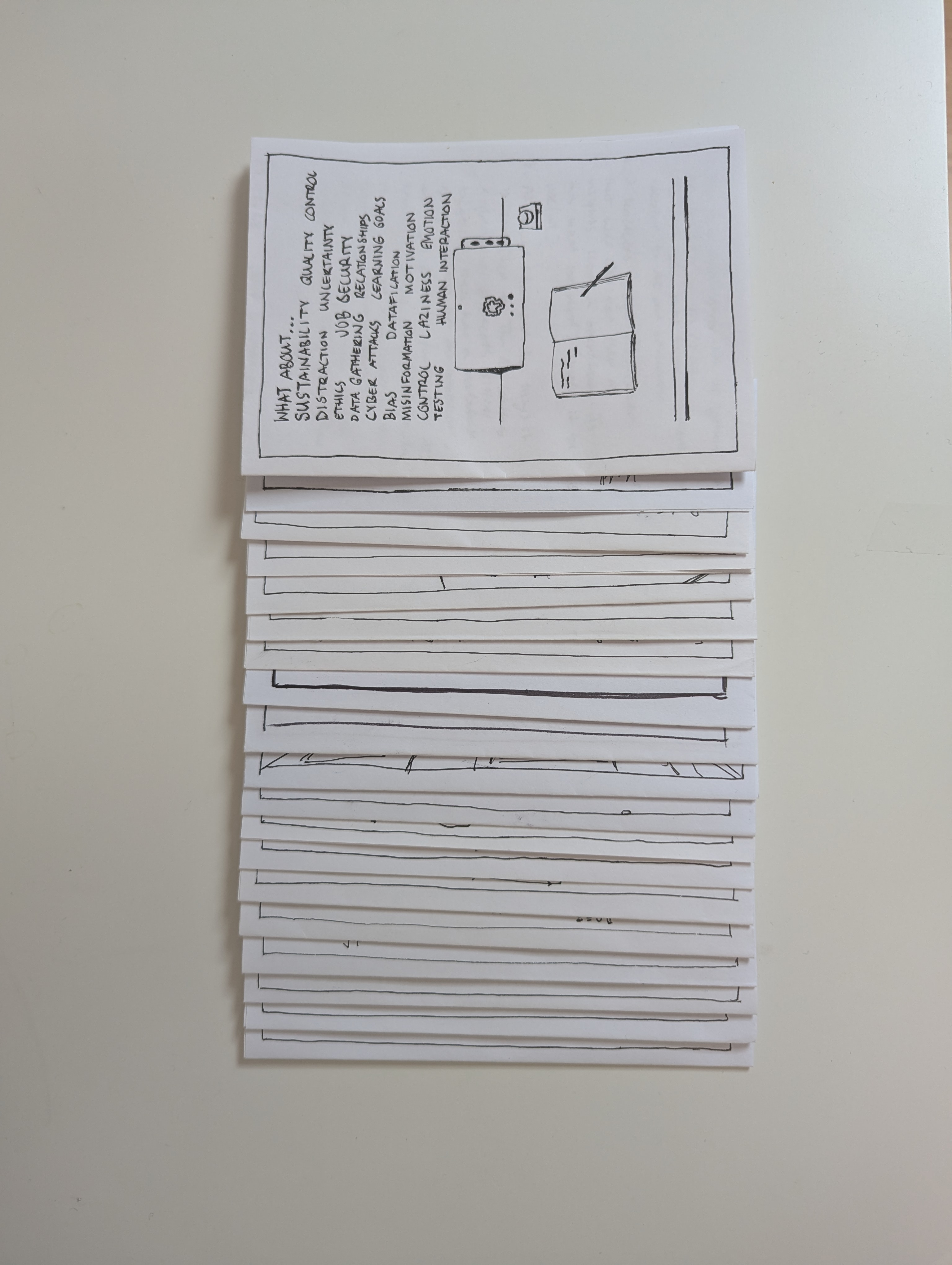
I will continue my approach of exploring details and the bigger picture through zine-making as this developed into a workbook that acted as a source of inspiration for my work, and allowed me to adopt one personal style throughout my process. I still want to develop further in incorporating experienceable lo-fi prototypes to support my exploration.

The validating user tests were the most detailed tests I have conducted and I am proud of that, but I do see there were opportunities to do them more deliberately, such as by doing deeper and more exact analysis on the interactions and discussion and immediately integrating participatory sensemaking as a research topic. In addition to this, it would have been valuable to test the designed interaction using e.g. paper prototyping before starting development.

Overall, I am proud of my development as I learned to use zine-making as a medium for creative exploration that formed the foundation to creative social meaning. By designing for transformation, I look much more positively towards the power of design to create such meaning and make a real difference to people. I am excited to keep working towards transforming the systems that govern us all!

Future

After this academic year, I will start a dual degree master program at TU/e with Industrial Design and Innovation Management. When it comes to design, I plan to further develop in doing research through design, taking social perspectives, and integrating users in my process while continuing to take creative approaches and realize physical-digital prototypes.

Downloads

Report - From Idea To Design
Report - Project 1 - Vitality
Report - Project 2 - Artifice
Report - Projet 3 - Sensory Matters
Report - Internship - Computational Design Systems
Report - Final Bachelor Project - Transforming Practices


Report - Aesthetics of Interaction
Report - Design for Debate
Report - Design Innovation Methods
Report - Entrepeneurship in Action
Report - Creative Mechnical Design Engineering
Report - Making Sense of Sensors
Report - Design Management


PDP From Before FBP
PDP Year 1 Qualtile 2
Development Portfolio
Professional Portfolio
LinkedIn
Email
Github

References

Bregman, R. (2024). Morele ambitie: Stop met het verspillen van je talent en maak werk van je idealen.

Crawford, M., & Di Benedetto, A. (2021). New products management (12th ed.). McGraw-Hill.

Hummels, C. C. M., & Frens, J. W. (2011). Designing disruptive innovative systems, products and services: RTD Process. In InTech eBooks. https://doi.org/10.5772/22580

Krogh, P. G., Markussen, T., & Bang, A. L. (2015). Ways of drifting—Five methods of experimentation in research through design. In A. Chakrabarti (Ed.), ICoRD’15 – Research into design across boundaries: Volume 1 (pp. 39–50). Springer. https://doi.org/10.1007/978-81-322-2232-3_4

Lorusso, S. (2024). What design can’t do: Essays on Design and Disillusion. Set Margins’ Publications.

Meadows, D. H. (2008). Thinking in systems: A Primer. Earthscan Publications.

Papanek, V. (2019). Design for the real world. Thames & Hudson. (Original work published 1971)

Trotto, A., Hummels, C. C. M., Levy, P. D., Peeters, J. P. A., van der Veen, R., Yoo, D., Johansson, M., Johansson, M., Smith, M. L., & van der Zwan, S. (2021). Designing for Transforming Practices: Maps and Journeys. Technische Universiteit Eindhoven.

Website by Jort Wiersma